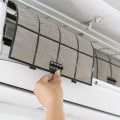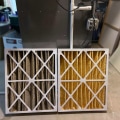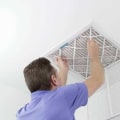
In the realm of home comfort, HVAC air filters play a pivotal role in ensuring that the air we breathe indoors is clean and healthy. These filters are designed to trap a variety of airborne particles, including dust, pollen, pet dander, and even microscopic pollutants like mold spores and bacteria. By effectively removing these contaminants from the air circulating through your heating, ventilation, and air conditioning (HVAC) system, air filters contribute significantly to maintaining a high standard of indoor air quality.Understanding the different types of HVAC air filters available is essential for homeowners looking to enhance their indoor environment. Filters come in various materials and designs, each with its own efficiency levels.
For instance, fiberglass filters are often the most affordable but may not capture smaller particles effectively. On the other hand, pleated filters offer a greater surface area and higher filtration efficiency, making them a popular choice for those seeking better air quality. Additionally, there are HEPA filters that can remove up to 99.97% of particles as small as 0.3 microns, making them ideal for allergy sufferers or individuals with respiratory conditions.The importance of using high-quality air filters cannot be overstated. Not only do they improve the air quality in your home, but they also protect your HVAC system from dust and debris buildup that can lead to inefficiencies and costly repairs.
A well-maintained filter allows for optimal airflow, which is crucial for the system's performance and longevity. Furthermore, investing in superior filters can lead to energy savings by reducing the workload on your HVAC system, ultimately lowering your utility bills.
The Importance of Indoor Air Quality
Indoor air quality (IAQ) is a critical aspect of our living environments that often goes unnoticed. Many people spend a significant portion of their lives indoors, whether at home, in the office, or in other enclosed spaces. As a result, the quality of the air we breathe indoors can have profound effects on our health and overall well-being.One of the primary reasons indoor air quality matters is its direct impact on our health.Poor air quality can lead to a range of health issues, from minor irritations to serious respiratory conditions. Common symptoms associated with poor IAQ include:
- Allergies and asthma exacerbations
- Headaches and fatigue
- Coughing and sneezing
- Eye, nose, and throat irritation
- Long-term respiratory diseases
These filters are designed to capture a higher percentage of airborne particles compared to standard filters. By removing allergens and pollutants from the air, they help create a healthier living space. Furthermore, improved IAQ can lead to:
- Enhanced Comfort: Clean air contributes to a more comfortable indoor environment, reducing irritants that can cause discomfort.
- Increased Productivity: In workplaces, better air quality has been linked to improved concentration and productivity among employees.
- Better Sleep Quality: Clean air can lead to better sleep patterns by reducing nighttime allergies and respiratory issues.
Types of Air Filters: A Comparison
When it comes to maintaining a healthy indoor environment, understanding the different types of HVAC air filters is essential.Each type of filter has its own unique characteristics, advantages, and disadvantages. Below, we will explore the most common types of air filters, focusing on pleated and fiberglass options, as well as the significance of MERV ratings in determining their effectiveness.
Pleated Filters
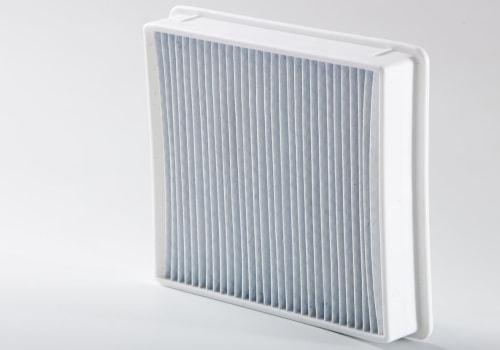
Pleated filters are designed with a larger surface area compared to traditional flat filters. This design allows them to capture more particles and improve airflow within your HVAC system. Typically made from a combination of synthetic fibers, pleated filters can have MERV ratings ranging from 8 to 13 or higher, making them suitable for residential use.- Advantages:
- Higher filtration efficiency, capturing dust, pollen, pet dander, and even some bacteria.
- Longer lifespan than fiberglass filters, often lasting up to six months or more.
- Improved airflow can lead to lower energy costs over time.
- Disadvantages:
- Higher initial cost compared to fiberglass filters.
- May require more frequent replacement in homes with pets or allergies.
Fiberglass Filters
Fiberglass filters are the most basic type of air filter available.Made from layers of spun fiberglass, these filters are typically less expensive but also less effective at trapping smaller particles. They usually have a MERV rating between 1 and 4.
- Advantages:
- Low cost makes them accessible for many homeowners.
- Easy to find at local hardware stores or online when searching for HVAC air filters near me.
- Disadvantages:
- Lower filtration efficiency means they may not adequately remove allergens and pollutants.
- Shorter lifespan; they often need replacement every month.
MERV Ratings Explained
The Minimum Efficiency Reporting Value (MERV) is a crucial factor in determining how well an air filter performs. The MERV scale ranges from 1 to 16, with higher numbers indicating better filtration capabilities. For example:- MERV 1-4: Basic filtration; suitable for large particles like dust and lint.
- MERV 5-8: Better at capturing smaller particles such as mold spores and pet dander.
- MERV 9-12: Effective for allergens and finer particles; ideal for homes with allergy sufferers.
- MERV 13-16: High-efficiency filters that can trap bacteria and smoke particles; recommended for those with severe allergies or respiratory issues.
Always consult your HVAC system's manufacturer guidelines to ensure compatibility and optimal efficiency.
Benefits of High-Quality Air Filters
Investing in high-quality air filters offers numerous benefits that extend beyond mere air purification. These advantages can significantly enhance your indoor environment, improve your health, and even lead to long-term savings on HVAC maintenance and energy costs.Improved Filtration Efficiency
One of the primary benefits of high-quality air filters is their superior filtration efficiency. Unlike standard fiberglass filters, which primarily capture larger particles, high-quality options such as pleated filters are designed to trap a wider range of contaminants. This includes:
- Dust and dust mites
- Pollen and other allergens
- Pet dander
- Mold spores
- Bacteria and viruses
Filters with higher MERV ratings can capture smaller particles, providing cleaner air for you and your family. This is especially beneficial for individuals with allergies or respiratory conditions, as cleaner air can lead to fewer symptoms and improved overall health.
Enhanced Airflow
Another significant advantage of investing in high-quality air filters is the improvement in airflow within your HVAC system. Many homeowners mistakenly believe that thicker filters restrict airflow, but modern HVAC systems are designed to accommodate these more efficient filters. In fact, pleated filters have a larger surface area, which allows for better airflow while still effectively trapping contaminants.
This means:
- Your HVAC system can operate more efficiently.
- There is less strain on the system, potentially extending its lifespan.
- You may experience lower energy bills due to improved efficiency.
Long-Term Cost Savings
While high-quality air filters may come with a higher upfront cost, they can lead to significant long-term savings. By reducing the frequency of filter replacements and minimizing wear and tear on your HVAC system, you can save money on both maintenance and energy costs. Additionally, cleaner air can lead to fewer health-related expenses over time.In conclusion, the benefits of investing in high-quality air filters are clear. From improved filtration efficiency and enhanced airflow to long-term cost savings, these filters provide value that extends well beyond their initial price tag.
For those searching for HVAC air filters near me, considering the quality of the filter can make a substantial difference in your home's air quality and overall comfort.
How to Choose the Right Air Filter for Your HVAC System
Choosing the right air filter for your HVAC system is crucial for maintaining optimal indoor air quality and ensuring the efficiency of your heating and cooling systems. With a variety of options available, it can be overwhelming to determine which filter best suits your needs. Here are some key factors to consider when selecting HVAC air filters.- MERV Rating: The Minimum Efficiency Reporting Value (MERV) rating is a critical factor in determining how effectively an air filter can capture airborne particles. Filters with a higher MERV rating (typically between 8 and 13 for residential use) are more efficient at trapping smaller particles, such as pollen, pet dander, and dust mites.
However, it’s essential to check your HVAC system’s specifications, as using a filter with a MERV rating that is too high can restrict airflow and strain your system.
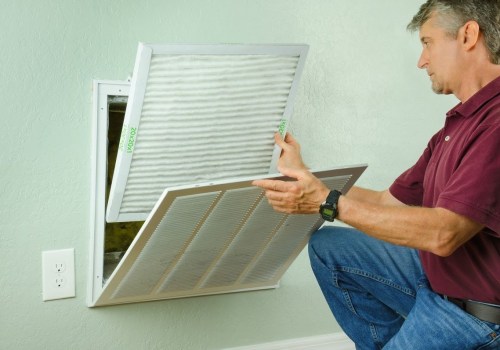
- Filter Size: Air filters come in various sizes, and it’s vital to choose one that fits your HVAC system perfectly. A filter that is too small will allow unfiltered air to bypass it, while one that is too large may not fit properly. Always refer to your system’s manual or the existing filter for the correct dimensions.
- Type of Filter: There are several types of air filters available, including fiberglass, pleated, HEPA, and washable filters. Fiberglass filters are inexpensive but less effective at capturing small particles.
Pleated filters offer better filtration and have a longer lifespan. HEPA filters are ideal for those with allergies or respiratory issues but may require specific compatibility with your HVAC system.
- Filter Lifespan: Consider how often you want to replace your air filter. Some filters need replacement every month, while others can last up to six months or longer. Investing in a higher-quality filter may save you money in the long run by reducing the frequency of replacements.
- Compatibility: Ensure that the air filter you choose is compatible with your HVAC system.
Some systems may require specific types of filters or have limitations on MERV ratings. Consult your manufacturer’s guidelines or speak with an HVAC professional if you’re unsure.
Maintaining Your Air Filters for Optimal Performance
To ensure that your HVAC system operates efficiently and maintains optimal indoor air quality, regular maintenance of your air filters is essential. Proper care not only enhances the performance of your system but also contributes to a healthier living environment.Understanding When to Clean or Replace Air Filters
One of the most common questions homeowners have is whether they should clean or replace their air filters.
The answer largely depends on the type of filter you are using:
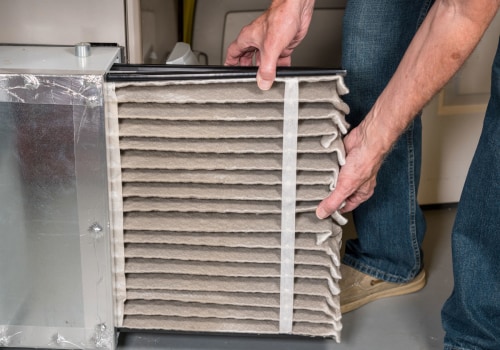
- Disposable Filters: These filters are designed for one-time use and should be replaced rather than cleaned. Attempting to clean them can damage the filter material and reduce their effectiveness. It is generally recommended to replace disposable filters every 1 to 3 months, depending on usage and environmental factors.
- Washable Filters: If you have a washable filter, you can clean it periodically. However, it’s crucial to follow the manufacturer’s instructions for cleaning to avoid damaging the filter.
Typically, these filters should be cleaned every 3 to 6 months, but this can vary based on dust levels and usage.
Frequency of Filter Changes
The frequency with which you should change your air filters can depend on several factors:
- Type of Filter: As mentioned, disposable filters need more frequent changes than washable ones.
- Household Size: Larger households with more occupants may require more frequent changes due to higher levels of dust and allergens.
- Pets: If you have pets, their dander can clog filters quickly, necessitating more frequent replacements.
- Allergies: If anyone in your home suffers from allergies or respiratory issues, consider changing your filters more often to maintain better air quality.
The Importance of Regular Maintenance
Regular maintenance of your air filters is crucial for several reasons:
- Improved Air Quality: Clean filters trap dust, pollen, and other allergens effectively, ensuring that the air circulating in your home is as clean as possible.
- Energy Efficiency: Clogged filters force your HVAC system to work harder, leading to increased energy consumption and higher utility bills. Regularly changing or cleaning your filters can help maintain energy efficiency.
- Extended Equipment Lifespan: By preventing dust and debris from accumulating in your HVAC system, you can reduce wear and tear on components, ultimately extending the lifespan of your equipment.
Cost Considerations: Are High-Quality Filters Worth It?
When considering the cost of high-quality air filters, it’s essential to weigh the initial investment against the potential long-term benefits. While premium filters may have a higher upfront cost, their advantages can lead to significant savings over time.High-quality air filters, such as pleated or HEPA filters, are designed to capture a greater variety of airborne particles compared to their cheaper counterparts.This enhanced filtration capability not only improves indoor air quality but also plays a crucial role in maintaining the efficiency of your HVAC system. A well-functioning HVAC system is less likely to require costly repairs, which can be a common issue when using lower-quality filters that allow dust and debris to accumulate.Moreover, investing in high-quality filters can lead to long-term savings on HVAC maintenance. When your system operates efficiently, it consumes less energy, which translates into lower utility bills. According to studies, using better air filters can improve HVAC efficiency by up to 15%, resulting in noticeable savings on energy costs.In addition to energy savings, consider the health-related expenses that can arise from poor indoor air quality.
Individuals with allergies or respiratory issues may find that using high-quality filters reduces their symptoms and the need for medical treatments. This can lead to fewer doctor visits and lower healthcare costs over time.For those on a budget, there are still options available that balance cost and quality. Look for mid-range filters that offer a good MERV rating without breaking the bank. Additionally, purchasing filters in bulk or subscribing to regular deliveries can help manage costs while ensuring you always have a clean filter ready for replacement.Ultimately, while the initial cost of high-quality air filters may seem daunting, the potential for long-term savings on both HVAC maintenance and health-related expenses makes them a wise investment for homeowners looking to improve their indoor environment.
Frequently Asked Questions About HVAC Air Filters
When it comes to HVAC air filters, many homeowners have questions that can significantly impact their air quality and system efficiency.Below are some of the most frequently asked questions regarding air filters, along with clear answers to help you make informed decisions.
What is the purpose of an HVAC air filter?
The primary function of an HVAC air filter is to trap dust, allergens, and other particles from the air circulating through your home. This not only helps maintain a cleaner indoor environment but also protects your HVAC system from dust buildup, which can lead to inefficiency and costly repairs.How often should I replace my air filter?
The frequency of replacing your air filter depends on several factors, including the type of filter you use, the level of pollutants in your home, and whether you have pets. Generally, it is recommended to check your filter every month and replace it every 1-3 months. High-quality filters may last longer, but regular checks are essential.Are higher MERV-rated filters always better?
While a higher MERV (Minimum Efficiency Reporting Value) rating indicates better filtration capabilities, it’s not always the best choice for every system.Some HVAC systems are not designed to handle high-MERV filters, which can restrict airflow and lead to increased energy costs or even damage. Always consult your system’s manufacturer guidelines before upgrading.
Can I wash and reuse my air filter?
Some filters are designed to be washable and reusable; however, this is not true for all types. Washable filters can save money in the long run but may have lower filtration efficiency compared to disposable options. If you choose a washable filter, ensure you follow the manufacturer’s cleaning instructions to avoid mold growth.Do air filters help with odors?
Certain types of air filters, particularly those with activated carbon or specialized media, can help reduce odors in your home by absorbing volatile organic compounds (VOCs) and other odor-causing particles.If odor control is a priority for you, look for filters specifically designed for this purpose.
What are some common misconceptions about air filters?
- Myth: All air filters are the same.
- Fact: Filters vary widely in terms of material, MERV rating, and effectiveness. Choosing the right one is crucial for optimal performance.
- Myth: A thicker filter always means better filtration.
- Fact: While thicker filters can capture more particles, they must be compatible with your HVAC system to avoid airflow issues.
Conclusion: The Value of Investing in Quality Air Filters
In summary, the decision to invest in high-quality HVAC air filters is not merely a financial one; it is a commitment to enhancing your home’s air quality and safeguarding your health. Throughout this article, we have explored the numerous benefits that come with choosing superior air filters over their cheaper counterparts.First and foremost, high-quality air filters are designed to effectively capture a wider range of airborne particles, including allergens such as pollen, dust mites, and pet dander.This is particularly crucial for individuals suffering from allergies or respiratory conditions, as cleaner air can significantly alleviate symptoms and improve overall well-being.Moreover, investing in these filters contributes to the longevity and efficiency of your HVAC system. By preventing dust and debris from accumulating within the system, high-quality filters help maintain optimal airflow and reduce the risk of costly repairs. This proactive approach not only saves money in the long run but also ensures that your heating and cooling systems operate at peak performance.Another important aspect to consider is the environmental impact. High-quality filters often have a longer lifespan than cheaper options, which means fewer filters end up in landfills.
Additionally, by improving energy efficiency, these filters can help reduce your carbon footprint.When searching for HVAC air filters near me, it’s essential to prioritize those with a higher MERV rating that aligns with your specific needs and HVAC system requirements. This careful selection process will ensure that you are not only investing in your health but also making a wise financial decision.In conclusion, the value of investing in high-quality air filters extends beyond immediate health benefits. It encompasses improved indoor air quality, enhanced HVAC efficiency, and a positive environmental impact. By making this investment, you are taking a significant step towards creating a healthier living environment for you and your family.