Indoor air quality (IAQ) is a critical aspect of our living environments that often goes unnoticed until it becomes a pressing issue. The air we breathe indoors can be significantly more polluted than outdoor air, primarily due to the accumulation of various contaminants. These pollutants can stem from numerous sources, including household cleaning products, building materials, and even the occupants themselves. Understanding the importance of maintaining good indoor air quality is essential for ensuring a healthy and comfortable living space.The significance of air quality cannot be overstated, as it directly impacts our health and well-being.
Poor indoor air quality has been linked to a range of health issues, from minor irritations like headaches and fatigue to more severe conditions such as respiratory diseases and cardiovascular problems. Vulnerable populations, including children, the elderly, and individuals with pre-existing health conditions, are particularly at risk. Therefore, recognizing the factors that contribute to poor air quality is crucial for mitigating these risks.Moreover, the comfort of our homes is closely tied to the quality of the air we breathe. High levels of allergens and irritants can lead to discomfort and exacerbate existing health issues.
By prioritizing indoor air quality, we not only enhance our physical health but also improve our overall quality of life. This is where high-quality HVAC filters come into play; they serve as a vital line of defense against airborne pollutants, ensuring that the air circulating in our homes is clean and safe.
What Are HVAC Filters?
HVAC filters are essential components of heating, ventilation, and air conditioning systems. Their primary function is to trap and remove airborne particles, ensuring that the air circulating within your home is clean and healthy. By filtering out dust, pollen, pet dander, mold spores, and other contaminants, these filters play a crucial role in maintaining indoor air quality.There are several types of HVAC filters available on the market, each designed to meet different needs and preferences:- Fiberglass Filters: These are the most basic and economical option.
They consist of layered fiberglass strands that capture larger particles. However, they are not very effective at filtering out smaller allergens or pollutants.
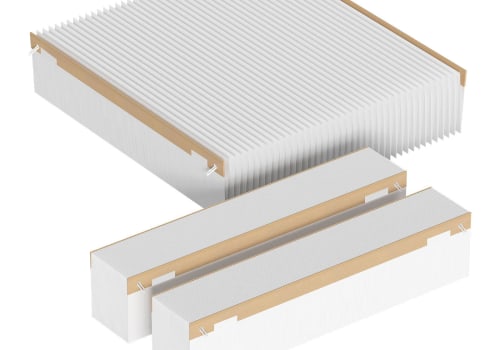
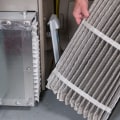
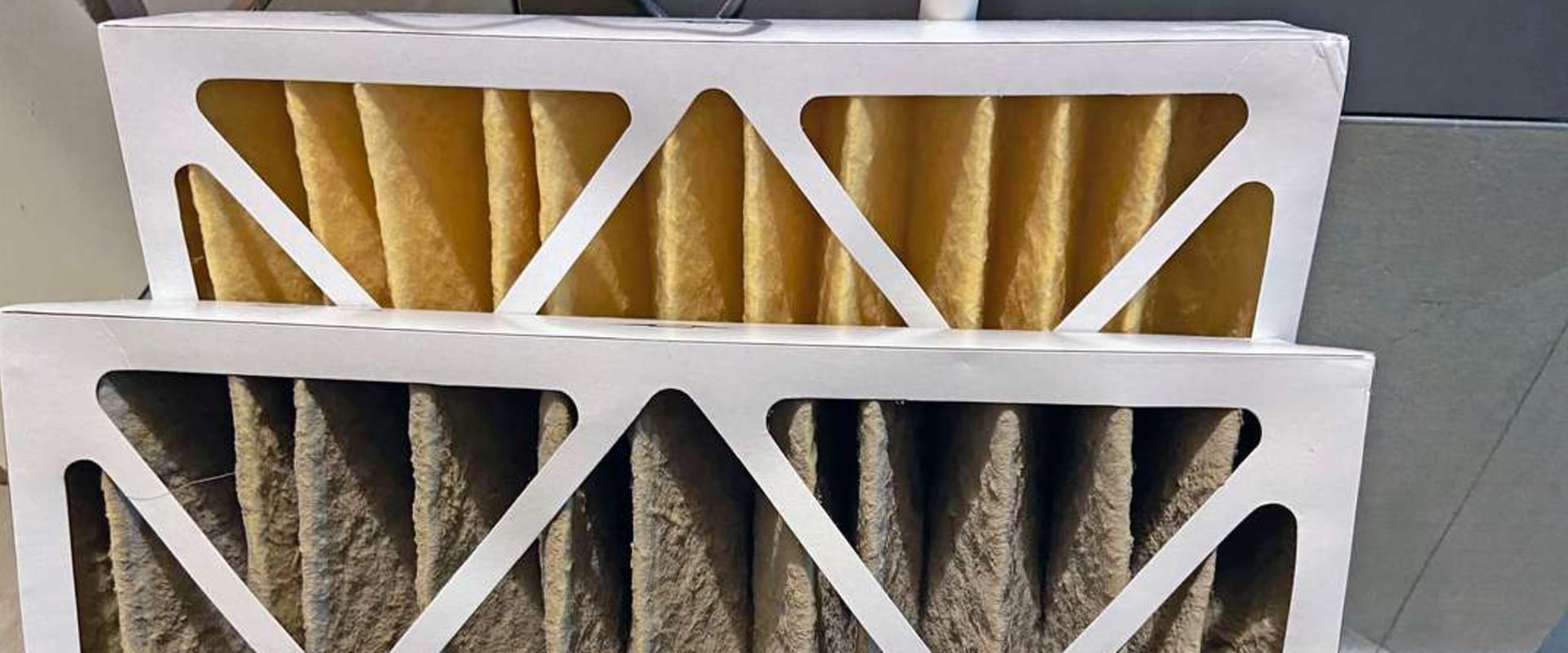
- Pleated Filters: Made from folded fabric or paper, pleated filters have a larger surface area compared to fiberglass filters. This design allows them to capture smaller particles more effectively, making them a popular choice for homeowners looking to improve air quality.
- Electrostatic Filters: Utilizing an electric charge, these filters attract and trap particles as they pass through. They are highly efficient at capturing allergens but require regular cleaning to maintain their effectiveness.
- HEPA Filters: High-Efficiency Particulate Air (HEPA) filters are renowned for their superior filtration capabilities.
Capable of capturing up to 99.97% of particles as small as 0.3 microns, they are ideal for those with allergies or respiratory issues. However, they may necessitate modifications to your HVAC system due to their size and airflow requirements.
By selecting the right filter for your needs, you can significantly enhance the air quality in your home while also prolonging the lifespan of your HVAC system.
The Importance of High-Quality HVAC Filters
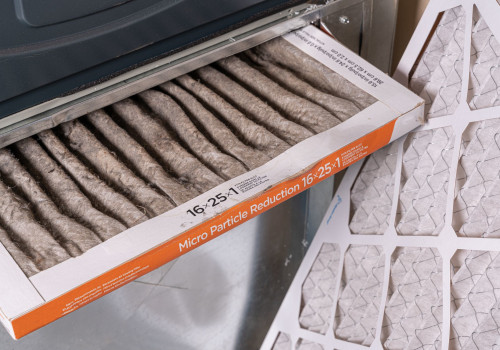
High-quality HVAC filters play a pivotal role in maintaining a healthy indoor environment. The air we breathe indoors can often be more polluted than outdoor air, primarily due to the accumulation of dust, allergens, and other harmful particles. This is where the significance of investing in superior filters becomes evident.One of the primary benefits of high-quality HVAC filters is their ability to effectively trap a wide range of airborne contaminants. Unlike standard filters, which may only capture larger particles, premium filters are designed to capture smaller pollutants such as pollen , pet dander , mold spores , and even microscopic bacteria and viruses.This enhanced filtration capability is crucial for individuals with allergies or respiratory conditions, as it significantly reduces the presence of irritants in the air.Moreover, high-quality filters contribute to the overall efficiency of your HVAC system. When filters are clogged with dirt and debris, the system has to work harder to circulate air, leading to increased energy consumption and higher utility bills. By using quality filters, homeowners can ensure that their HVAC systems operate smoothly and efficiently, ultimately saving money in the long run.Another important aspect is the longevity of your HVAC system. Quality filters help prevent dust and grime from accumulating on critical components like the evaporator coils and blower motors. This enhanced filtration capability is crucial for individuals with allergies or respiratory conditions, as it significantly reduces the presence of irritants in the air.Moreover, high-quality filters contribute to the overall efficiency of your HVAC system. When filters are clogged with dirt and debris, the system has to work harder to circulate air, leading to increased energy consumption and higher utility bills. By using quality filters, homeowners can ensure that their HVAC systems operate smoothly and efficiently, ultimately saving money in the long run.Another important aspect is the longevity of your HVAC system. Quality filters help prevent dust and grime from accumulating on critical components like the evaporator coils and blower motors.
This not only enhances performance but also extends the lifespan of the system by reducing wear and tear.In addition to these practical benefits, high-quality HVAC filters can also improve overall indoor air quality (IAQ). Cleaner air contributes to a healthier living environment, which is especially important for families with young children or elderly members who may be more susceptible to health issues related to poor air quality.In summary, investing in high-quality HVAC filters is essential for anyone looking to enhance their indoor air quality and ensure the efficient operation of their heating and cooling systems. The advantages extend beyond mere filtration; they encompass energy savings, system longevity, and a healthier home environment.
Types of HVAC Filters and Their Effectiveness
When it comes to maintaining optimal indoor air quality, understanding the different types of HVAC filters available is essential. Each type of filter has its own unique characteristics and effectiveness in capturing various pollutants.Below, we explore the most common types of HVAC filters and their respective capabilities.
1.Fiberglass Filters
Fiberglass filters are among the most basic and economical options on the market. They consist of a mat of fiberglass fibers that trap larger particles such as dust and lint. However, their effectiveness diminishes significantly when it comes to smaller contaminants like pollen, mold spores, and pet dander. While they are easy to find and inexpensive, relying solely on fiberglass filters may not provide adequate protection against indoor air pollutants.2.Pleated Filters
Pleated filters are a step up from fiberglass options.Their design features a larger surface area due to the pleats, allowing them to capture a greater variety of particles, including smaller allergens. These filters can effectively trap dust, pollen, and even some bacteria. They are available in various MERV (Minimum Efficiency Reporting Value) ratings, which indicate their efficiency level. A higher MERV rating means better filtration capabilities, making pleated filters a popular choice for homeowners seeking improved air quality.
3.Electrostatic Filters
Electrostatic filters utilize an electric charge to attract and capture airborne particles.This type of filter is particularly effective at trapping smaller allergens such as pet dander and smoke particles. They can be either disposable or washable, providing flexibility for homeowners. Regular maintenance is crucial for electrostatic filters; cleaning them periodically ensures they maintain their effectiveness over time.
4.HEPA Filters
For those seeking the highest level of air filtration, HEPA (High-Efficiency Particulate Air) filters are the gold standard. Capable of capturing up to 99.97% of particles as small as 0.3 microns, HEPA filters excel at removing even the tiniest pollutants from the air, including dust mites, mold spores, and certain bacteria and viruses.While they offer unparalleled filtration efficiency, HEPA filters may require modifications to your HVAC system due to their size and airflow requirements.In summary, selecting the right type of HVAC filter is crucial for enhancing indoor air quality. Each filter type has its strengths and weaknesses; therefore, understanding these differences can help you make an informed decision that best suits your home’s needs.
How High-Quality Filters Improve Indoor Air Quality
High-quality HVAC filters play a pivotal role in enhancing indoor air quality by effectively capturing and eliminating a wide range of harmful particles. Understanding how these filters operate can help homeowners make informed decisions about their air filtration needs.One of the primary mechanisms through which high-quality filters improve air quality is their ability to trap contaminants that can adversely affect health. These contaminants include:- Dust and Dust Mites: Common in many households, dust can trigger allergies and respiratory issues.
High-quality filters can capture these particles, reducing their presence in the air.
- Pollen: For those with seasonal allergies, pollen can be a significant irritant. Effective filters can significantly reduce pollen levels indoors, providing relief for allergy sufferers.
- Pet Dander: Homes with pets often have higher levels of dander, which can lead to allergic reactions. High-efficiency filters are designed to capture these tiny particles, improving overall air quality.
- Mold Spores: Mold can thrive in damp environments and release spores into the air. Quality filters help trap these spores, preventing them from circulating throughout the home.
- Bacteria and Viruses: Some advanced filters, particularly HEPA filters, are capable of capturing bacteria and viruses, contributing to a healthier indoor environment.
Filters with higher MERV ratings are more effective at capturing smaller particles. For instance, while a standard fiberglass filter may have a MERV rating of 1-4, pleated filters typically range from 5-13, and HEPA filters can achieve ratings of 17-20. This means that investing in higher-rated filters not only improves air quality but also enhances the overall performance of your HVAC system.Moreover, high-quality filters contribute to better airflow within the HVAC system. When filters are clogged with dust and debris, they restrict airflow, forcing the system to work harder and potentially leading to increased energy consumption and wear on components.
By regularly replacing or cleaning high-quality filters, homeowners can maintain optimal airflow and efficiency.In summary, high-quality HVAC filters are essential for improving indoor air quality by effectively removing harmful contaminants from the air. Their efficiency in capturing various pollutants not only promotes a healthier living environment but also supports the longevity and efficiency of HVAC systems.
The Cost-Benefit Analysis of High-Quality Filters
When considering the cost of high-quality HVAC filters, it’s essential to look beyond the initial price tag. While these filters may require a larger upfront investment compared to standard options, the long-term benefits they provide can far outweigh the costs. Understanding this cost-benefit analysis can help homeowners make informed decisions that enhance both their health and their HVAC system's efficiency.High-quality filters, such as HEPA or pleated options, typically range from $15 to $50 each, depending on size and brand.In contrast, basic fiberglass filters can be found for as little as $5.However, the difference in performance is significant. High-quality filters are designed to capture a greater variety of airborne particles, including allergens, dust, and even some bacteria and viruses. This capability not only improves indoor air quality but also contributes to a healthier living environment.One of the most compelling arguments for investing in high-quality filters is the potential for long-term savings. By effectively trapping contaminants, these filters reduce the workload on your HVAC system.
A system that operates efficiently consumes less energy, which can lead to lower utility bills over time. In fact, studies have shown that using high-quality filters can improve HVAC efficiency by up to 15%, translating into significant savings on energy costs.Moreover, high-quality filters can extend the lifespan of your HVAC system. When dust and debris accumulate within the system due to inadequate filtration, it can lead to wear and tear on components like the blower motor and evaporator coils. This not only increases maintenance costs but may also necessitate premature replacement of the entire system.
By investing in better filters, homeowners can mitigate these risks and enjoy a more reliable HVAC system.In addition to energy savings and extended equipment life, high-quality filters contribute to improved health outcomes. Poor indoor air quality has been linked to various health issues, including respiratory problems and allergies. By reducing airborne pollutants, high-quality filters can help minimize these risks, potentially saving on medical expenses related to air quality-related health issues.In summary, while the initial investment in high-quality HVAC filters may seem steep, the long-term benefits—ranging from energy savings and extended equipment life to improved health—make them a wise choice for any homeowner concerned about indoor air quality and overall system efficiency.
Installation and Maintenance of HVAC Filters
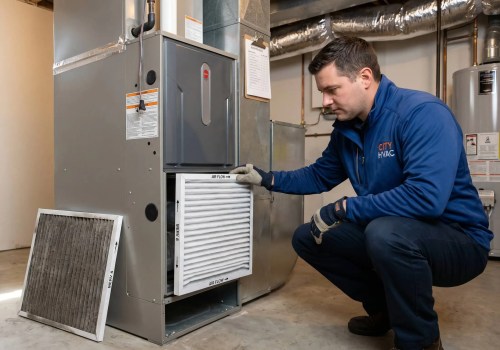
When it comes to ensuring the effectiveness of your HVAC system, the installation and maintenance of HVAC filters play a pivotal role. Proper installation not only maximizes the efficiency of the filters but also enhances the overall performance of your heating and cooling system.Importance of Professional Installation
While it may be tempting to handle filter installation on your own, enlisting the help of professionals can make a significant difference.
Trained HVAC technicians understand the intricacies of your system and can ensure that filters are installed correctly. This includes:
- Ensuring the right size and type of filter is used for your specific HVAC system.
- Adjusting ductwork if necessary to accommodate higher-efficiency filters.
- Verifying that airflow is not obstructed, which can lead to reduced efficiency or even damage to the system.
Maintenance Tips for HVAC Filters
Once your filters are installed correctly, regular maintenance is essential for maintaining optimal indoor air quality. Here are some key maintenance tips:
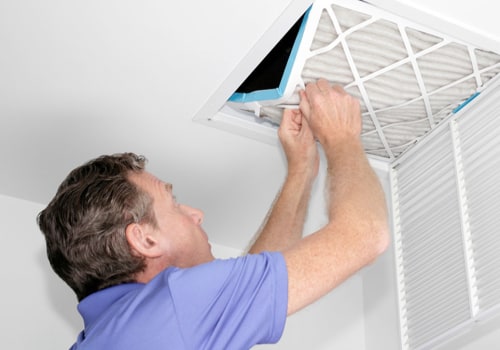
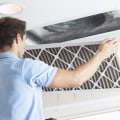
- Regularly Check Filters: Inspect your filters at least once a month. Depending on usage and environmental factors, you may need to replace them more frequently.
- Clean Electrostatic Filters: If you have electrostatic filters, clean them according to the manufacturer's instructions to maintain their effectiveness.
- Keep Surrounding Areas Clean: Dust and debris around your HVAC unit can be drawn into the system.
Regularly clean these areas to minimize contamination.
- Schedule Professional Maintenance: Consider having your HVAC system serviced by professionals at least once a year. They can check for any issues that may affect filter performance and overall system efficiency.
The Benefits of Proper Maintenance
Maintaining your HVAC filters not only improves indoor air quality but also extends the lifespan of your HVAC system. Clean filters reduce strain on the system, leading to lower energy bills and fewer repairs over time. By prioritizing both installation and maintenance, you can ensure that your home remains a healthy environment while maximizing the efficiency of your HVAC system.
Common Misconceptions About HVAC Filters
When it comes to HVAC air filters, there are numerous myths and misconceptions that can lead homeowners to make uninformed decisions.Understanding the truth behind these common beliefs is essential for maintaining a healthy indoor environment.
Myth 1: All HVAC Filters Are the Same
One of the most prevalent misconceptions is that all HVAC filters perform equally. In reality, filters vary significantly in their ability to capture different types of particles. For instance, while basic fiberglass filters may only trap larger dust particles, high-efficiency filters like HEPA can capture up to 99.97% of particles as small as 0.3 microns, including allergens and pollutants. This difference in filtration capability can greatly affect indoor air quality.
Myth 2: Changing Filters More Often Is Always Better
Another common belief is that changing your HVAC filter more frequently will always yield better results.
While it’s important to replace filters regularly, doing so too often can be unnecessary and costly. The ideal replacement frequency depends on the type of filter used, the level of air pollution in your area, and whether you have pets. Always refer to the manufacturer’s guidelines for optimal replacement intervals.
Myth 3: Higher MERV Ratings Are Always Better
The Minimum Efficiency Reporting Value (MERV) rating indicates a filter's effectiveness at trapping particles. However, a higher MERV rating doesn’t always mean a better choice for every HVAC system.
Filters with very high MERV ratings can restrict airflow in systems not designed for them, leading to decreased efficiency and potential damage. It’s crucial to choose a filter that balances filtration efficiency with your system’s specifications.
Myth 4: You Don’t Need Filters If You Have an Air Purifier
Some homeowners believe that using an air purifier eliminates the need for HVAC filters. While air purifiers can enhance air quality by removing specific contaminants, they do not replace the need for HVAC filters. The filters in your HVAC system are essential for protecting the system itself from dust and debris, which can lead to costly repairs if neglected.
Myth 5: All Filters Remove Odors
Many people assume that all HVAC filters can effectively eliminate odors from the air.
However, standard filters are not designed for this purpose. To combat odors, consider using activated carbon filters or specialized odor-removing filters that target specific smells.By debunking these myths, homeowners can make more informed choices regarding their HVAC air filters. Understanding the facts will not only improve indoor air quality but also enhance the efficiency and longevity of your HVAC system.
Finding High-Quality HVAC Filters Near You
Finding high-quality HVAC air filters near me is essential for maintaining optimal indoor air quality and ensuring the efficiency of your HVAC system. Here are some effective strategies to locate reputable suppliers in your area.1.Utilize Online Search Engines
- Start by conducting a simple search using terms like "HVAC air filters near me" or "where to buy HVAC filters".
This will provide you with a list of local suppliers and retailers.
- Check Google Maps for nearby hardware stores, home improvement centers, and specialized HVAC supply shops. This can help you find locations that may not have a strong online presence.
2.Explore Local Home Improvement Stores
- Visit well-known home improvement chains such as Home Depot or Lowe's. These stores typically carry a variety of HVAC filters, including high-efficiency options.
- Ask store associates for recommendations on the best filters for your specific HVAC system, as they can provide valuable insights based on customer feedback.
3.Check Specialty HVAC Suppliers
- Look for local HVAC supply companies that specialize in heating and cooling products. These suppliers often offer a wider selection of high-quality filters compared to general retailers.
- Many specialty suppliers also provide expert advice on filter selection and maintenance, ensuring you choose the right product for your needs.
4.Read Customer Reviews
- Before making a purchase, take the time to read online reviews about the suppliers you are considering.
Websites like Yelp or Google Reviews can provide insights into customer experiences and product quality.
- Pay attention to comments regarding the availability of high-quality filters and the level of customer service provided by the supplier.
5.Consider Online Retailers
- If local options are limited, consider reputable online retailers that specialize in HVAC products. Websites like Amazon or FilterBuy offer a wide range of filters with detailed specifications.
- Online shopping allows you to compare prices and filter types easily, ensuring you find the best option for your home.
Conclusion: Investing in Your Health with Quality Filters
In summary, the significance of investing in high-quality HVAC filters cannot be overstated when it comes to enhancing indoor air quality. As we have explored throughout this article, the air we breathe within our homes can be laden with various pollutants, including dust, allergens, and even harmful microorganisms. By choosing superior filters, you are taking a proactive step towards safeguarding your health and well-being.High-quality filters are specifically engineered to capture a wide range of airborne contaminants.Unlike standard fiberglass filters that primarily trap larger particles, premium options such as pleated, electrostatic, and HEPA filters offer advanced filtration capabilities. These filters not only improve air quality but also contribute to the overall efficiency of your HVAC system.Moreover, investing in quality HVAC filters can lead to significant long-term savings. By preventing dust and debris from accumulating in your system, you reduce the risk of costly repairs and extend the lifespan of your HVAC unit. This means fewer interruptions in your comfort and lower energy bills due to improved system efficiency.It is also essential to remember that proper installation and maintenance play a crucial role in maximizing the benefits of high-quality filters.
Engaging trained professionals ensures that your filters are installed correctly and that your HVAC system operates at peak performance.Ultimately, prioritizing high-quality HVAC filters is an investment in your health and comfort. By making this choice, you are not only enhancing the air quality in your home but also creating a safer environment for you and your loved ones. So, when searching for HVAC air filters near me, consider the long-term benefits of selecting high-quality options that will serve you well for years to come.