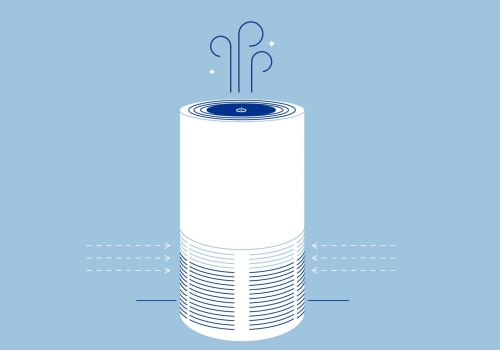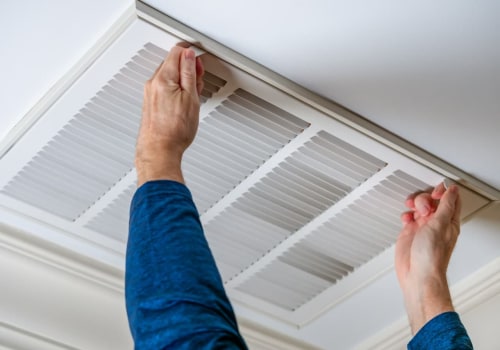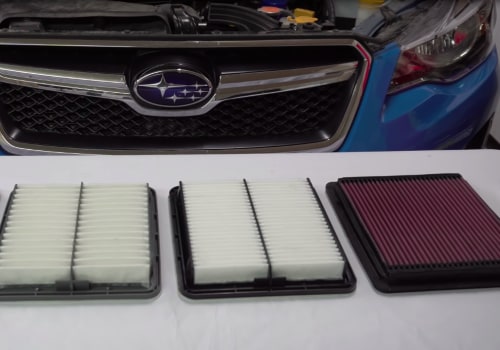
When it comes to maintaining a comfortable and healthy indoor environment, HVAC air filters play a crucial role. These filters are designed to trap dust, allergens, and other airborne particles, ensuring that the air circulating through your home is clean and safe to breathe. Understanding the function and importance of these filters is essential for any homeowner looking to improve their indoor air quality and enhance the efficiency of their heating and cooling systems.There are several types of HVAC air filters available on the market, each with its own unique features and benefits. From basic fiberglass filters that capture larger particles to high-efficiency particulate air (HEPA) filters that can trap microscopic allergens, the variety can be overwhelming.
Additionally, some filters are designed for specific applications, such as those that reduce odors or those that are washable and reusable. Knowing the differences between these options is vital in making an informed decision that aligns with your specific needs.The importance of selecting the right air filter cannot be overstated. A suitable filter not only improves indoor air quality but also contributes to the overall efficiency of your HVAC system. A clogged or inefficient filter can lead to increased energy consumption, higher utility bills, and even premature wear on your equipment.
By investing time in understanding your options and choosing the right filter, you can ensure that your HVAC system operates at peak performance while providing a healthier living environment for you and your family.
Types of HVAC Air Filters
When it comes to maintaining a healthy indoor environment, understanding the different types of HVAC air filters is crucial. Each type of filter has its own unique features, benefits, and ideal applications. Below, we explore the most common types of air filters available for HVAC systems.Pleated Filters
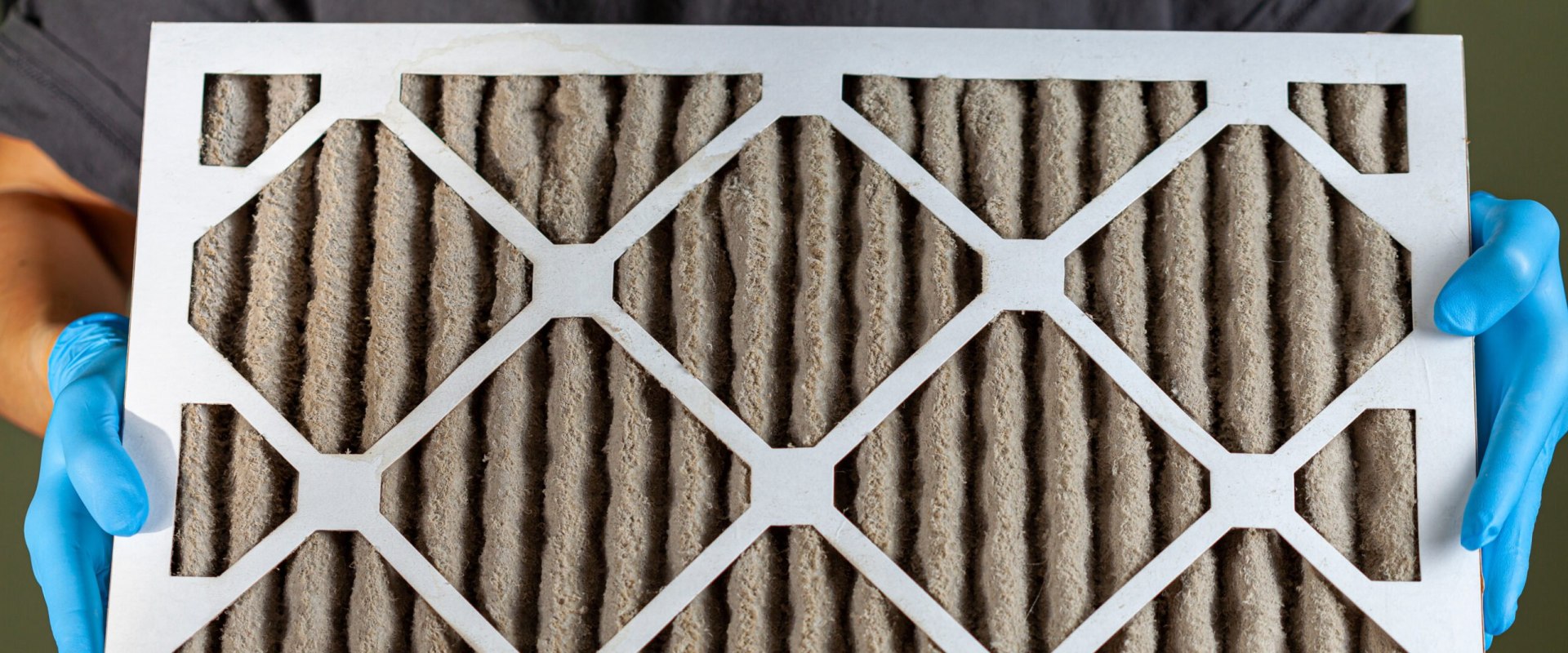
Pleated filters are among the most popular choices for residential HVAC systems. These filters are made from a combination of synthetic materials and are designed with a pleated structure that increases their surface area.This design allows them to capture more airborne particles compared to standard flat filters.
- Efficiency: Pleated filters typically have a MERV (Minimum Efficiency Reporting Value) rating between 8 and 13, making them effective at trapping dust, pollen, and pet dander.
- Longevity: Due to their larger surface area, pleated filters can last longer than traditional fiberglass filters, often requiring replacement every 3 to 6 months.
- Cost: While they may be slightly more expensive than basic filters, their efficiency and longevity can lead to cost savings in the long run.
HEPA Filters
High-Efficiency Particulate Air (HEPA) filters are renowned for their superior filtration capabilities. These filters are capable of capturing at least 99.97% of particles that are 0.3 microns in size, making them an excellent choice for those with allergies or respiratory issues.- Health Benefits: HEPA filters significantly improve indoor air quality by removing allergens and pollutants, making them ideal for homes with pets or individuals with asthma.
- Usage: While HEPA filters are highly effective, they may not be suitable for all HVAC systems due to their dense construction, which can restrict airflow. It’s essential to check compatibility with your system before purchasing.
- Maintenance: HEPA filters generally need to be replaced every 6 to 12 months, depending on usage and environmental factors.
Fiberglass Filters
Fiberglass filters are the most basic type of air filter available. They consist of a flat panel made from layers of fiberglass fibers that trap larger particles as air passes through.- Cost-Effective: These filters are typically the least expensive option on the market, making them an attractive choice for budget-conscious homeowners.
- Efficiency: However, they have a lower MERV rating (usually between 1 and 4), meaning they are less effective at capturing smaller particles compared to pleated or HEPA filters.
- Replacement Frequency: Fiberglass filters should be replaced every month to maintain optimal airflow and efficiency in your HVAC system.
By understanding the differences between pleated, HEPA, and fiberglass filters, you can make an informed decision that best suits your home’s needs.
MERV Ratings Explained
When it comes to selecting the right air filter for your HVAC system, understanding MERV ratings is crucial. MERV, or Minimum Efficiency Reporting Value, is a standard that measures the effectiveness of air filters in capturing particles of various sizes. The MERV rating scale ranges from 1 to 20, with higher numbers indicating a greater ability to trap smaller particles.What is a MERV Rating?
A MERV rating assesses how well an air filter can remove airborne contaminants from the air that circulates through your HVAC system. Filters with low MERV ratings (1-4) are typically designed for residential use and can capture larger particles such as dust and pollen.
In contrast, filters with higher ratings (13-16) are capable of trapping smaller particles, including pet dander, smoke, and even some bacteria and viruses.Here’s a breakdown of the MERV rating categories:
- MERV 1-4: Basic filters that capture large particles like dust and lint.
- MERV 5-8: Better at trapping mold spores, pet dander, and dust mites.
- MERV 9-12: Effective against smaller particles such as lead dust and some bacteria.
- MERV 13-16: High-efficiency filters that can capture smoke, smog, and even some viruses.
- MERV 17-20: Typically used in hospitals and clean rooms; these filters can trap very small particles.
Choosing the Right MERV Rating for Your Air Filter
Selecting the appropriate MERV rating for your air filter depends on several factors:
- Your HVAC System: Not all systems can handle high-MERV filters. Check your manufacturer’s recommendations to avoid damaging your unit.
- Allergies and Health Concerns: If you or your family members suffer from allergies or respiratory issues, consider a filter with a higher MERV rating to improve indoor air quality.
- Home Environment: Homes with pets or smokers may benefit from higher-rated filters to effectively reduce odors and allergens.
- Maintenance Considerations: Higher MERV filters may require more frequent changes due to their increased efficiency in trapping particles. Ensure you can commit to regular maintenance.
Factors to Consider When Choosing an Air Filter
When it comes to selecting the right air filter for your HVAC system, several critical factors must be taken into account to ensure optimal performance and air quality.Understanding these factors can help you make an informed decision that aligns with your specific needs.
- Air Quality Needs: The primary purpose of an air filter is to improve indoor air quality. Consider the specific air quality requirements of your household. If you have family members with allergies, asthma, or other respiratory issues, you may need a filter with a higher MERV (Minimum Efficiency Reporting Value) rating. Filters with a MERV rating of 11 or higher are typically effective at capturing smaller particles, including pollen, pet dander, and dust mites.
- HVAC System Compatibility: Not all air filters are suitable for every HVAC system.
Before purchasing a filter, check your system’s specifications to ensure compatibility. Some systems require specific sizes or types of filters, such as pleated or HEPA filters. Using an incompatible filter can lead to reduced efficiency and potential damage to your HVAC unit.Before purchasing a filter, check your system’s specifications to ensure compatibility. Some systems require specific sizes or types of filters, such as pleated or HEPA filters. Using an incompatible filter can lead to reduced efficiency and potential damage to your HVAC unit.
- Filter Lifespan: Different filters have varying lifespans, which can affect maintenance schedules and costs. Some high-efficiency filters can last up to six months or longer, while standard fiberglass filters may need replacement every month.
Consider how often you are willing to change the filter and choose one that fits your maintenance routine.
- Budget Considerations: Air filters come in a wide range of prices. While it may be tempting to opt for the cheapest option, investing in a higher-quality filter can save you money in the long run by improving energy efficiency and extending the life of your HVAC system. Evaluate your budget and weigh the long-term benefits against initial costs.
- Environmental Impact: If sustainability is important to you, consider choosing filters made from eco-friendly materials or those that are recyclable. Some manufacturers offer options that minimize environmental impact while still providing excellent filtration performance.
Where to Find HVAC Air Filters Near Me
Finding HVAC air filters near me can be a straightforward process if you know where to look.Local suppliers often provide a range of benefits that online shopping cannot match, including immediate availability and personalized service. Here are some effective strategies to locate nearby air filter suppliers:
- Utilize Online Maps: Start by using online map services like Google Maps. Simply enter "HVAC air filters near me" in the search bar, and you will receive a list of local stores that sell air filters. This method not only shows you the closest options but also provides customer reviews and ratings.
- Check Local Hardware Stores: Many hardware stores carry a selection of HVAC air filters.
Stores like Home Depot, Lowe's, or Ace Hardware often have knowledgeable staff who can assist you in finding the right filter for your system.
- Visit HVAC Supply Stores: Specialized HVAC supply stores are excellent resources for finding high-quality air filters. These stores typically offer a wider variety of options, including high-efficiency filters that may not be available at general retailers.
- Consult with HVAC Professionals: If you have an HVAC technician or service provider, ask them for recommendations on where to buy filters locally. They often have preferred suppliers and can guide you to the best options based on your specific system.
- Local Classifieds and Community Boards: Websites like Craigslist or community bulletin boards can sometimes list local suppliers or even individuals selling new or surplus air filters at competitive prices.
- Immediate Access: When you buy locally, you can obtain your air filter immediately without waiting for shipping times associated with online orders.
- Personalized Assistance: Local store employees can provide tailored advice based on your specific HVAC system needs, ensuring you select the right filter.
- Support Local Economy: Buying from local businesses helps support your community and contributes to the local economy.
How Often Should You Change Your Air Filter?
Maintaining your HVAC system's efficiency is crucial, and one of the simplest yet most effective ways to do this is by regularly changing your air filter.But how often should you really be replacing it? The answer can vary based on several factors, including the type of filter you use, your home's environment, and the specific needs of your HVAC system.
General Guidelines for Air Filter Replacement
- Standard Fiberglass Filters: These are typically the least expensive option and should be replaced every 30 days.
- Pleated Filters: Offering better filtration, pleated filters can last anywhere from 90 days to 6 months, depending on usage and environmental factors.
- HEPA Filters: Known for their high efficiency, HEPA filters can last up to a year but should be checked regularly for dirt accumulation.
Signs That Indicate It's Time for a Change
In addition to following a schedule, being aware of certain signs can help you determine when it's time to replace your air filter:
- Reduced Airflow: If you notice that your HVAC system is struggling to maintain airflow, it could be due to a clogged filter.
- Increased Energy Bills: A dirty filter forces your system to work harder, leading to higher energy costs.
- Visible Dirt and Dust: If you can see dust accumulating on the filter or around the vents, it’s time for a replacement.
- Unpleasant Odors: A musty or stale smell coming from your HVAC system can indicate that the filter is saturated with contaminants.
Common Mistakes to Avoid When Choosing Air Filters
Choosing the right air filter for your HVAC system is crucial for maintaining optimal indoor air quality and system efficiency. However, many homeowners make common mistakes that can lead to poor air filtration and increased energy costs.Here are some of the most frequent errors to avoid when selecting air filters:
- Ignoring MERV Ratings: One of the biggest mistakes is overlooking the Minimum Efficiency Reporting Value (MERV) rating of an air filter. This rating indicates how effectively a filter can capture particles of different sizes. Filters with a MERV rating between 1 and 4 are typically less effective, while those rated between 8 and 13 offer better filtration for allergens and dust. Always check the MERV rating to ensure you’re choosing a filter that meets your needs.
- Choosing the Wrong Size: Another common error is selecting an air filter that doesn’t fit properly in your HVAC system.
A filter that is too small will allow unfiltered air to bypass it, while one that is too large may not fit at all. Always measure your existing filter or consult your HVAC manual to find the correct dimensions.
- Opting for Low-Cost Filters: While it may be tempting to choose cheaper filters, this can lead to higher long-term costs due to decreased efficiency and increased strain on your HVAC system. Investing in higher-quality filters can improve air quality and extend the lifespan of your equipment.
- Neglecting Regular Replacement: Even the best air filters lose their effectiveness over time. Failing to replace filters regularly can lead to reduced airflow, increased energy consumption, and poor indoor air quality.
Set a reminder to check and replace your filters every 1-3 months, depending on usage and filter type.
- Not Considering Specific Needs: Every household has unique air quality needs based on factors like allergies, pets, or smoke exposure. Failing to consider these factors when selecting a filter can result in inadequate filtration. For example, if you have pets, look for filters designed to capture pet dander effectively.
FAQs About HVAC Air Filters
When it comes to HVAC air filters, many homeowners have questions that can lead to confusion.Understanding these common queries can help you make informed decisions about your air filtration needs.
What is the purpose of an HVAC air filter?
The primary function of an HVAC air filter is to trap dust, pollen, pet dander, and other airborne particles, preventing them from circulating through your home. This not only improves indoor air quality but also protects your HVAC system from potential damage caused by dirt and debris accumulation.How often should I change my air filter?
The frequency of changing your air filter depends on several factors, including the type of filter, the level of pollutants in your home, and your HVAC system's usage. Generally, it is recommended to check your filter every month and replace it every 1 to 3 months. If you have pets or live in a dusty area, you may need to change it more frequently.What are the different types of HVAC air filters?
- Fiberglass Filters: These are the most basic and affordable option but offer minimal filtration.
- Pleated Filters: These provide better filtration than fiberglass filters and can capture smaller particles.
- HEPA Filters: High-Efficiency Particulate Air filters are designed to trap 99.97% of particles, making them ideal for allergy sufferers.
- Electrostatic Filters: These use static electricity to attract and capture particles, offering a higher level of filtration.
Can I use a higher MERV-rated filter?
While higher MERV (Minimum Efficiency Reporting Value) ratings indicate better filtration capabilities, using a filter with a MERV rating that is too high for your system can restrict airflow.This can lead to increased energy consumption and potential damage to your HVAC unit. Always consult your system's specifications before upgrading to a higher-rated filter.
Where can I find HVAC air filters near me?
You can find HVAC air filters near me at local hardware stores, home improvement centers, or online retailers. Many HVAC service providers also sell filters directly. Be sure to check the size and type required for your specific system before making a purchase.By addressing these frequently asked questions, you can better understand the role of air filters in maintaining a healthy home environment and ensuring the efficiency of your HVAC system.Conclusion: Making the Right Choice for Your Home's Air Quality
In conclusion, selecting the right HVAC air filter is crucial for maintaining a healthy indoor environment and ensuring the efficiency of your heating and cooling systems.Throughout this guide, we have explored various aspects of air filters, including their types, MERV ratings, and the specific needs of your home. Each of these factors plays a significant role in determining which filter will best suit your household.One of the key takeaways is the importance of understanding your specific air quality requirements. For instance, if you have pets or family members with allergies, opting for a high-efficiency filter can significantly reduce airborne particles and allergens. Conversely, if you live in an area with minimal outdoor pollution, a standard filter may suffice.Additionally, regular maintenance and timely replacement of your air filters cannot be overstated.
Clogged or dirty filters not only compromise air quality but can also lead to increased energy consumption and strain on your HVAC system. Establishing a routine check—ideally every 1 to 3 months—can help you avoid these issues.When searching for HVAC air filters near me, consider local suppliers who can provide expert advice tailored to your specific situation. Many retailers offer a variety of options, from disposable to washable filters, allowing you to choose one that fits both your budget and lifestyle.Ultimately, investing time in selecting the right air filter will pay off in the long run. Not only will it enhance your indoor air quality, but it will also contribute to the longevity and efficiency of your HVAC system.
By prioritizing this often-overlooked component of home maintenance, you are taking a significant step towards creating a healthier living space for you and your family.