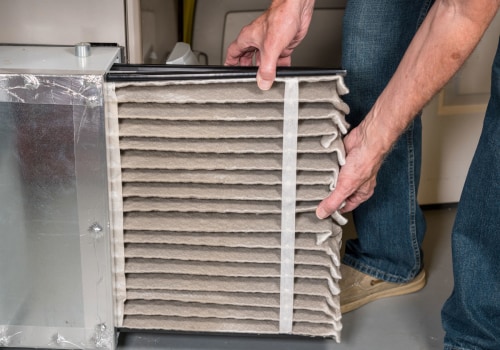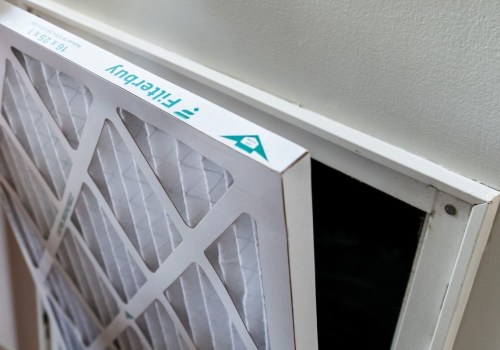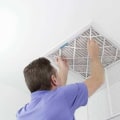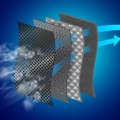
When it comes to maintaining a comfortable and healthy indoor environment, HVAC air filters play a crucial role. These filters are designed to trap dust, pollen, pet dander, and other airborne particles, ensuring that the air circulating through your home is clean and safe to breathe. By effectively removing contaminants from the air, HVAC air filters not only enhance indoor air quality but also contribute to the overall efficiency of your heating and cooling systems.Understanding the different types of HVAC air filters available is essential for making an informed choice. Filters come in various materials and designs, each with its own set of advantages and limitations.
For instance, some filters are made from fiberglass, while others utilize pleated paper or high-efficiency particulate air (HEPA) technology. The right filter for your system will depend on factors such as your specific air quality needs, the type of HVAC system you have, and your budget.The importance of regularly replacing or cleaning your HVAC air filters cannot be overstated. Clogged or dirty filters can lead to reduced airflow, causing your system to work harder than necessary. This not only increases energy consumption but can also lead to costly repairs down the line.
By prioritizing the selection and maintenance of your air filters, you can ensure that your HVAC system operates efficiently while providing a healthier living space for you and your family.
Types of HVAC Air Filters
When it comes to selecting the right HVAC air filter, understanding the different types available is crucial. Each type of filter has unique features, benefits, and ideal applications that can significantly impact your indoor air quality and system efficiency.Pleated Filters
Pleated filters are among the most popular choices for residential HVAC systems. These filters are made from a folded material that increases the surface area, allowing them to capture more airborne particles compared to standard flat filters. Here are some key points about pleated filters:- Efficiency: Pleated filters typically have a MERV (Minimum Efficiency Reporting Value) rating between 8 and 13, making them effective at trapping dust, pollen, and pet dander.
- Longevity: Due to their larger surface area, pleated filters can last longer than traditional filters, often up to three months before needing replacement.
- Cost-Effective: While they may be slightly more expensive than basic filters, their efficiency and longevity can lead to savings in energy costs over time.
HEPA Filters
High-Efficiency Particulate Air (HEPA) filters are designed to capture at least 99.97% of particles that are 0.3 microns in size.These filters are ideal for individuals with allergies or respiratory issues. Consider the following:
- Superior Filtration: HEPA filters excel at trapping very small particles, including smoke, mold spores, and even some bacteria.
- Specialized Use: While HEPA filters provide exceptional air quality, they may not be suitable for all HVAC systems due to their dense construction, which can restrict airflow.
- Health Benefits: Using HEPA filters can significantly improve indoor air quality, making them a preferred choice for homes with pets or allergy sufferers.
Washable Filters
Washable filters offer a reusable option that can be cleaned and maintained over time. They are typically made from a synthetic material that can be rinsed off and reused. Here’s what you should know:- Sustainability: By opting for washable filters, you reduce waste and contribute to environmental sustainability.
- Cost Savings: Although the initial investment may be higher, the ability to clean and reuse these filters can lead to long-term savings.
- Maintenance Required: Regular cleaning is essential to maintain their effectiveness; otherwise, they can become clogged and less efficient.
Whether you prioritize efficiency, health benefits, or sustainability, understanding these options will help you make an informed decision that enhances your home's air quality.
MERV Ratings Explained
When it comes to selecting the right air filter for your HVAC system, understanding MERV ratings is essential. MERV, or Minimum Efficiency Reporting Value, is a standard that measures the effectiveness of air filters in capturing particles of various sizes. The MERV rating scale ranges from 1 to 20, with higher numbers indicating a greater ability to trap smaller particles.What is a MERV Rating?
A MERV rating provides insight into how well an air filter can remove airborne contaminants from the air circulating through your HVAC system. Filters with low MERV ratings (1-4) are typically designed for residential use and can capture larger particles such as dust and pollen.
In contrast, filters with higher ratings (13-16) are capable of trapping smaller particles, including pet dander, mold spores, and even some bacteria and viruses.Here’s a breakdown of the MERV rating categories:
- MERV 1-4: Basic filters that capture large particles like dust and lint.
- MERV 5-8: Better at trapping smaller particles such as mold spores and pet dander.
- MERV 9-12: Effective for capturing finer particles, including smoke and smog.
- MERV 13-16: High-efficiency filters that can trap bacteria and some viruses.
- MERV 17-20: Used in specialized applications like hospitals; these filters can capture very small particles.
Choosing the Right MERV Rating for Your HVAC System
When selecting a filter based on its MERV rating, it’s crucial to consider both your air quality needs and your HVAC system's specifications. While higher-rated filters provide better air quality, they can also restrict airflow if your system isn’t designed to handle them. This restriction can lead to increased energy consumption and potential damage to your HVAC unit.For most residential applications, a MERV rating between 8 and 13 strikes a good balance between air quality and system efficiency. If you have specific concerns such as allergies or respiratory issues, opting for a filter with a higher MERV rating may be beneficial.
However, always consult your HVAC manufacturer’s guidelines or a professional technician to ensure compatibility with your system.In summary, understanding MERV ratings is vital for making an informed decision when searching for HVAC air filters near me. By selecting the appropriate filter based on its MERV rating, you can enhance indoor air quality while maintaining the efficiency of your HVAC system.
Factors to Consider When Choosing an Air Filter
When it comes to selecting the right air filter for your HVAC system, several critical factors must be taken into account to ensure optimal performance and air quality. Understanding these factors can help you make an informed decision that aligns with your specific needs.1.Air Quality Needs
Your primary reason for choosing an air filter should be based on your air quality requirements. If you or any family members suffer from allergies, asthma, or other respiratory issues, you may need a filter that captures smaller particles, such as pollen, pet dander, and dust mites.Filters with a higher MERV (Minimum Efficiency Reporting Value) rating are designed to trap these finer particles more effectively.
2.Filter Lifespan
The lifespan of an air filter is another essential consideration. Some filters are designed to last for several months, while others may need to be replaced every month.Choosing a filter with a longer lifespan
can save you time and money in the long run, but it’s crucial to ensure that it still meets your air quality needs. Always check the manufacturer's recommendations for replacement intervals.3.Cost Considerations
While it might be tempting to opt for the cheapest option available, consider the long-term costs associated with different types of filters.Higher-quality filters may have a higher upfront cost but can lead to savings by improving your HVAC system's efficiency and reducing energy bills. Additionally, investing in a good filter can prolong the life of your HVAC system, ultimately saving you from costly repairs or replacements.
4.Compatibility with Your HVAC System
Not all filters are compatible with every HVAC system. Before making a purchase, check the specifications of your system to ensure that the filter fits properly and meets any necessary requirements. Using an incompatible filter can lead to reduced airflow and strain on your system, which can negatively impact its performance.In summary, when searching for HVAC air filters near me, take into account your specific air quality needs, the lifespan of the filter, cost considerations, and compatibility with your HVAC system.By carefully evaluating these factors, you can select an air filter that not only enhances your indoor air quality but also supports the longevity and efficiency of your HVAC system.
Where to Buy HVAC Air Filters Near You
When it comes to purchasing HVAC air filters, you have a variety of options available, both locally and online. Understanding where to buy these essential components can help you save time and money while ensuring you get the right filter for your system.Local HVAC Suppliers
Shopping at local HVAC suppliers has several advantages:
- Expert Advice: Local suppliers often have knowledgeable staff who can provide personalized recommendations based on your specific HVAC system and air quality needs.
- Immediate Availability: If you need a filter quickly, visiting a local store allows you to walk out with the product in hand, avoiding shipping delays.
- Support Local Business: Purchasing from local suppliers helps support your community and can foster relationships that may benefit you in the long run.
Online HVAC Filter Shopping
If convenience is a priority, shopping online for HVAC air filters can be an excellent option. Here are some benefits of online shopping:
- Wider Selection: Online retailers often carry a broader range of products, including specialized filters that may not be available locally.
- Price Comparisons: It’s easier to compare prices across different websites, helping you find the best deals on the filters you need.
- Subscription Services: Many online retailers offer subscription services that automatically deliver filters to your door at regular intervals, ensuring you never forget to replace them.
Websites like Amazon, Home Depot, and specialized HVAC retailers can be great places to start your search.
Tips for Finding the Best Deals
No matter where you choose to shop, here are some tips for finding the best deals on HVAC air filters:
- Look for Sales and Discounts: Many retailers offer seasonal sales or discounts on bulk purchases. Sign up for newsletters to stay informed about promotions.
- Consider Buying in Bulk: If you know what size filters you need, buying in bulk can save you money over time.
- Check for Coupons: Before making a purchase, search for online coupons or promo codes that can reduce your total cost.
How to Install Your HVAC Air Filter
Installing your HVAC air filter correctly is crucial for maintaining optimal air quality and system efficiency. Follow this step-by-step guide to ensure a proper installation.- Gather Your Tools and Materials: Before you begin, make sure you have the necessary tools. You will typically need a screwdriver (if your filter compartment is secured), a vacuum cleaner or a damp cloth for cleaning, and of course, your new air filter.
- Turn Off Your HVAC System: Safety first! Always turn off your HVAC system before attempting to change the air filter.
This prevents any potential damage to the system and ensures your safety during the process.
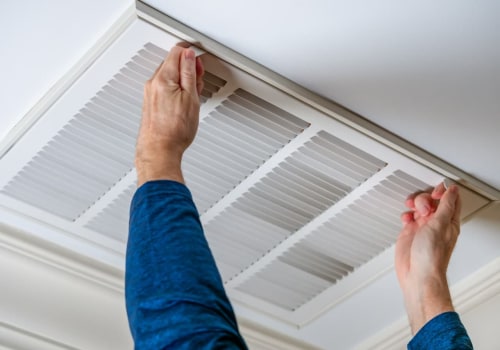
- Locate the Air Filter Compartment: The air filter is usually located near the return air duct or inside the blower compartment. Check your HVAC system’s manual if you’re unsure where to find it.
- Remove the Old Filter: Carefully slide out the old air filter from its compartment. If it’s stuck, gently wiggle it free. Be cautious not to damage any surrounding components.
- Inspect and Clean the Compartment: Before installing the new filter, take a moment to inspect the compartment for dust and debris.
Use a vacuum cleaner or a damp cloth to clean it thoroughly. This helps maintain good airflow and prevents contaminants from entering your system.
- Check Filter Orientation: Look for arrows on the new filter that indicate airflow direction. It’s essential to install the filter in the correct orientation to ensure it functions properly. The arrows should point towards the blower and away from the return duct.
- Insert the New Filter: Slide the new air filter into the compartment, ensuring it fits snugly without forcing it.
Make sure that it is aligned correctly according to the airflow direction indicated on the filter.
- Secure Everything Back in Place: If your filter compartment has a cover or screws, reattach them securely. This prevents any unfiltered air from bypassing the filter.
- Turn On Your HVAC System: Once everything is in place, turn your HVAC system back on. Listen for any unusual noises that might indicate an installation issue.
- Regular Maintenance: Remember to check and replace your air filter regularly—typically every 1-3 months depending on usage and type of filter. Keeping track of this will help maintain optimal performance of your HVAC system.
If you have any doubts or encounter issues during installation, don’t hesitate to consult a professional for assistance.
Common Mistakes When Choosing Air Filters
Choosing the right air filter for your HVAC system is crucial, yet many homeowners make common mistakes that can lead to inefficiencies and increased costs. By understanding these pitfalls, you can avoid costly errors and ensure optimal performance from your system.- Ignoring MERV Ratings: One of the most significant mistakes is overlooking the Minimum Efficiency Reporting Value (MERV) rating of air filters. MERV ratings range from 1 to 16, indicating the filter's ability to capture particles of varying sizes. A higher MERV rating means better filtration, but it can also restrict airflow if your HVAC system isn't designed for it.
Always check your system's specifications before selecting a filter with a high MERV rating.
- Choosing the Wrong Size: Another common error is selecting an air filter that doesn't fit properly. Filters come in various sizes, and using one that is too small or too large can lead to air leaks, reducing efficiency and allowing dust and allergens to circulate in your home. Always measure your existing filter or consult your HVAC manual for the correct dimensions.
- Neglecting Regular Replacement: Many homeowners underestimate the importance of regularly replacing their air filters. A clogged or dirty filter can significantly reduce airflow, forcing your HVAC system to work harder and increasing energy bills.
Set a reminder to check and replace your filters every 1-3 months, depending on usage and filter type.
- Overlooking Filter Type: Not all filters are created equal. Some homeowners may choose inexpensive fiberglass filters without realizing they offer minimal filtration capabilities. Consider investing in pleated or HEPA filters for better air quality, especially if you have allergies or pets.
- Failing to Consider Environmental Factors: Your home's environment plays a significant role in determining the best air filter for your needs. If you live in an area with high pollen counts or dust levels, you may need a more efficient filter than someone in a cleaner environment.
Assess local conditions and adjust your filter choice accordingly.
FAQs About HVAC Air Filters
When it comes to HVAC air filters, homeowners often have numerous questions and concerns. Understanding these can help you make informed decisions about your air filtration needs. Here are some of the most frequently asked questions:1.How often should I change my HVAC air filter?
The frequency of changing your air filter depends on several factors, including the type of filter, the level of usage of your HVAC system, and the presence of pets or allergies in your home.Generally, it is recommended to check your filter every month and replace it every 1 to 3 months. If you have pets or live in a dusty area, you may need to change it more frequently.
2.What is the difference between MERV ratings?
MERV, or Minimum Efficiency Reporting Value, measures how effectively an air filter can capture particles. The scale ranges from 1 to 16, with higher numbers indicating better filtration capabilities. For residential use, filters with a MERV rating between 8 and 12 are typically sufficient for capturing common allergens like dust and pollen.However, if you have specific health concerns or allergies, you might consider filters with a higher MERV rating.
3.Can I use a higher MERV rated filter?
While using a filter with a higher MERV rating can improve air quality by capturing smaller particles, it’s essential to ensure that your HVAC system can handle it. Higher-rated filters can restrict airflow, potentially causing strain on your system and leading to inefficiency or damage. Always consult your HVAC manufacturer’s guidelines before upgrading your filter.4.Are HEPA filters necessary for my home?
HEPA (High-Efficiency Particulate Air) filters are designed to trap at least 99.97% of particles that are 0.3 microns in size. While they are excellent for improving indoor air quality, they may not be necessary for every household.If you or your family members suffer from severe allergies or respiratory issues, investing in a HEPA filter could be beneficial. However, for general use, standard pleated filters may suffice.
5.Where can I find HVAC air filters near me?
Finding HVAC air filters near me is easier than ever with local home improvement stores, HVAC supply shops, and online retailers offering a wide selection. Be sure to check the specifications of your current filter to ensure compatibility when shopping.By addressing these common questions and concerns about HVAC air filters, homeowners can make better choices that enhance their indoor air quality and maintain their HVAC systems effectively.Conclusion: Making the Right Choice for Your Home's Air Quality
In conclusion, selecting the right HVAC air filter is crucial for maintaining a healthy indoor environment and ensuring the efficiency of your heating and cooling system. Throughout this guide, we have explored various types of air filters, their unique benefits, and how they can impact both air quality and system performance.Understanding the different filtration options available is essential.From basic fiberglass filters to advanced HEPA filters, each type serves a specific purpose and caters to different needs. For instance, if you have allergies or respiratory issues, investing in a high-efficiency filter can significantly reduce airborne allergens and pollutants. On the other hand, if your primary concern is protecting your HVAC system from dust and debris, a standard pleated filter may suffice.Moreover, it’s important to consider factors such as MERV ratings , filter lifespan, and maintenance requirements when making your choice. A higher MERV rating indicates better filtration capabilities but may also require more frequent changes to maintain airflow efficiency.
Regularly replacing your air filter not only enhances air quality but also prolongs the life of your HVAC system.When searching for HVAC air filters near me, take the time to evaluate local options that offer quality products suited to your specific needs. Many retailers provide a range of filters that cater to various budgets and preferences. Additionally, consulting with HVAC professionals can provide valuable insights tailored to your home’s unique requirements.Ultimately, the right air filter is an investment in your home’s comfort and health. By prioritizing air quality and system efficiency, you can create a more pleasant living environment while also reducing energy costs over time.
Remember that the choices you make today will have lasting effects on your indoor air quality and overall well-being.