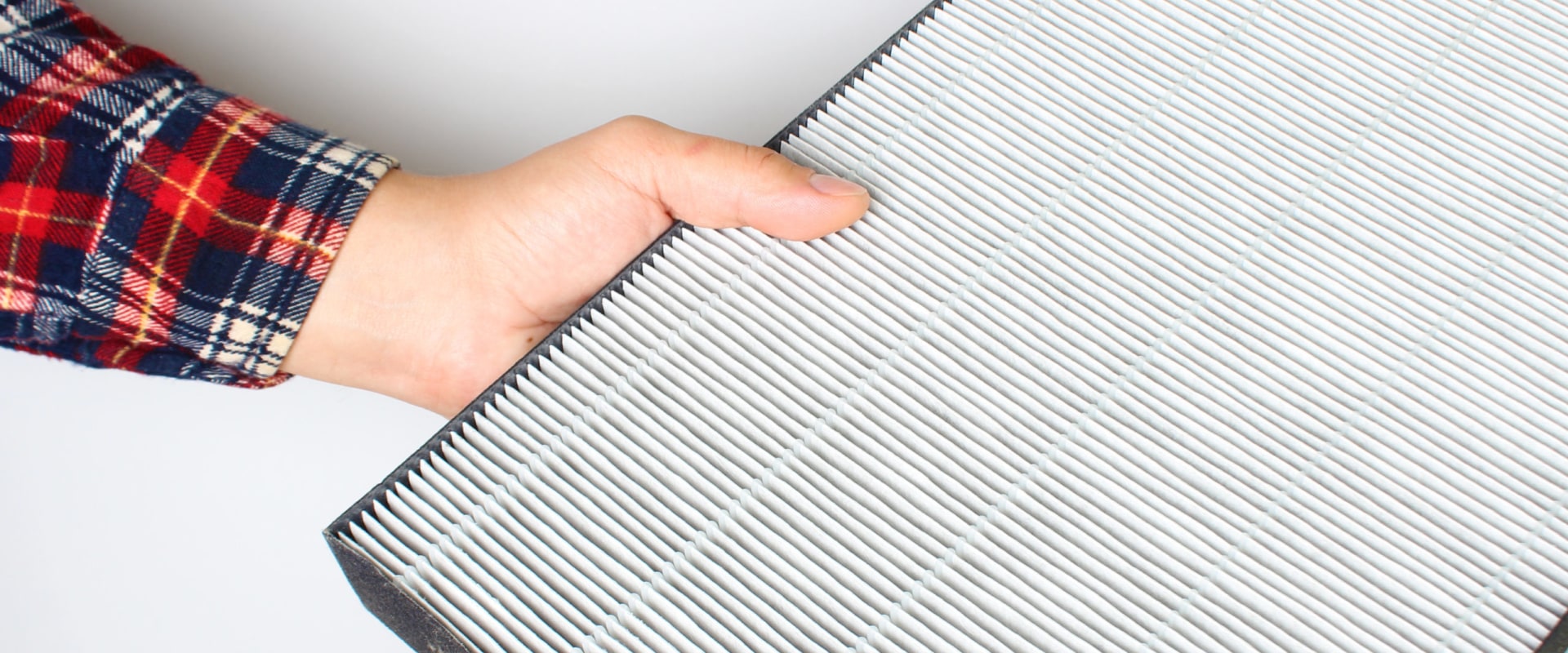
Indoor air quality (IAQ) is a critical aspect of our living environments that often goes unnoticed. While we may focus on the cleanliness of our homes and the freshness of the air outside, the air we breathe indoors can be significantly more polluted. In fact, studies have shown that indoor air can be up to five times more contaminated than outdoor air. This alarming statistic underscores the importance of understanding and improving indoor air quality, especially in spaces where we spend a majority of our time.The significance of maintaining good indoor air quality cannot be overstated.
Poor IAQ can lead to a range of health issues, from minor irritations like headaches and fatigue to more severe conditions such as respiratory diseases and cardiovascular problems. Vulnerable populations, including children, the elderly, and individuals with pre-existing health conditions, are particularly at risk. By recognizing the factors that contribute to poor air quality—such as dust, allergens, volatile organic compounds (VOCs), and other pollutants—we can take proactive steps to mitigate their effects.One of the most effective ways to enhance indoor air quality is through the use of high-quality HVAC air filters. These filters play a vital role in trapping harmful particles and ensuring that the air circulating in our homes is clean and safe to breathe.
As we explore the various types of HVAC air filters available and their specific benefits, it becomes clear that investing in superior filtration systems is not just a matter of comfort; it is essential for safeguarding our health and well-being.
What Are HVAC Air Filters?
HVAC air filters are essential components of heating, ventilation, and air conditioning systems. Their primary role is to trap dust, pollen, pet dander, and other airborne particles, ensuring that the air circulating within your home is clean and healthy. By filtering out these contaminants, HVAC air filters not only improve indoor air quality but also protect the HVAC system itself from damage caused by dirt and debris.There are several types of air filters available on the market, each designed to meet different needs and preferences:- Fiberglass Filters: These are the most basic type of air filter. Made from layered fiberglass strands, they are inexpensive and effective at capturing larger particles.
However, they have a lower MERV (Minimum Efficiency Reporting Value) rating, meaning they are less efficient at trapping smaller pollutants.
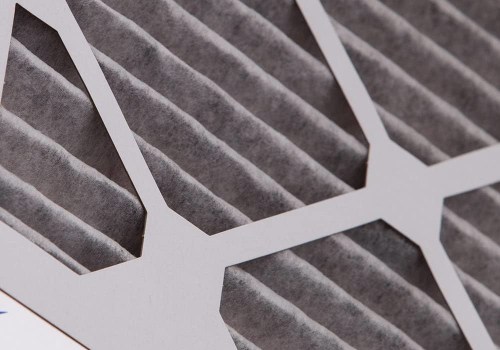
- Pleated Filters: Constructed with a pleated design that increases surface area, pleated filters can capture more particles than fiberglass filters. They typically have a higher MERV rating and can last longer, making them a popular choice for homeowners.
- HEPA Filters: High-Efficiency Particulate Air (HEPA) filters are known for their superior filtration capabilities. They can trap 99.97% of particles as small as 0.3 microns, making them ideal for individuals with allergies or respiratory issues. However, they may require more frequent replacement and can restrict airflow if not properly maintained.
- Electrostatic Filters: These filters use static electricity to attract and capture particles.
They can be washable or disposable and often have a higher MERV rating than fiberglass filters. Their ability to capture smaller particles makes them an excellent choice for improving indoor air quality.
- Protecting HVAC Equipment: By preventing dust and debris from entering the system, air filters help maintain the efficiency and longevity of HVAC units.
- Enhancing Energy Efficiency: Clean filters allow for better airflow, which can reduce energy consumption and lower utility bills.
- Improving Health: By filtering out allergens and pollutants, high-quality air filters contribute to a healthier living environment for all occupants. By filtering out allergens and pollutants, high-quality air filters contribute to a healthier living environment for all occupants.
The Importance of High-Quality Air Filters
When it comes to maintaining a healthy indoor environment, the choice of air filters plays a crucial role.High-quality air filters are designed to capture a greater variety of airborne particles compared to standard options, which can significantly enhance the air quality in your home. This improvement is not just about comfort; it has profound implications for the health and well-being of all occupants.
Benefits of High-Quality Air Filters
- Enhanced Filtration: High-quality filters, such as HEPA (High-Efficiency Particulate Air) filters, can trap up to 99.97% of particles that are 0.3 microns in size. This includes dust, pollen, pet dander, and even some bacteria and viruses.
- Improved HVAC Efficiency: By using high-quality air filters, your HVAC system can operate more efficiently. Clean filters reduce strain on the system, leading to lower energy bills and prolonged equipment life.
- Reduction of Allergens: For individuals with allergies or respiratory conditions, high-quality air filters can significantly reduce the presence of allergens in the air, providing relief and improving overall quality of life.
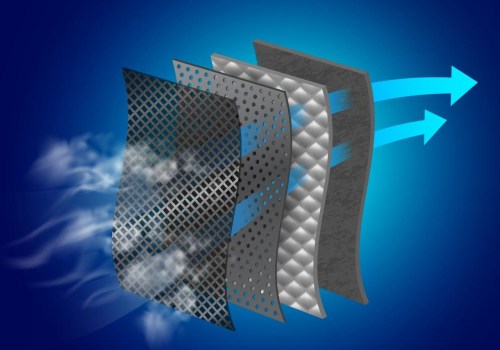
- Odor Control: Many high-quality filters come with activated carbon layers that help absorb odors from pets, cooking, and other sources, contributing to a fresher indoor atmosphere.
Why Choose High-Quality Filters?
Investing in high-quality air filters is not merely a matter of preference; it is a necessity for those who prioritize health and comfort.
While standard filters may be cheaper upfront, they often require more frequent replacements and do not provide the same level of protection against harmful particles. In contrast, high-quality options may have a higher initial cost but offer long-term savings through improved efficiency and reduced health risks.
Impact on Health
The impact of high-quality air filters on health cannot be overstated. Poor indoor air quality has been linked to various health issues, including respiratory problems, allergies, and even cardiovascular diseases. By filtering out harmful pollutants and allergens, high-quality air filters contribute to a cleaner environment that supports better health outcomes.In conclusion, choosing high-quality air filters is an essential step towards ensuring optimal indoor air quality.
Not only do they provide superior filtration capabilities, but they also enhance the efficiency of your HVAC system while promoting a healthier living space for you and your family.
How High-Quality Air Filters Improve Indoor Air Quality
High-quality air filters play a crucial role in enhancing indoor air quality by effectively capturing a wide range of pollutants and allergens that can compromise the health of occupants. The mechanisms through which these filters operate are essential to understanding their impact.Filtration Efficiency
One of the primary advantages of high-quality air filters is their superior filtration efficiency. Unlike standard filters, which may only capture larger particles, high-quality options are designed to trap smaller particles, including dust, pollen, pet dander, and even microscopic pollutants such as mold spores and bacteria. This is often measured using the Minimum Efficiency Reporting Value (MERV) rating system, where higher MERV ratings indicate better filtration capabilities.For instance, a filter with a MERV rating of 8 can capture about 70-85% of particles in the 3 to 10 micron range, while a filter rated at MERV 13 or higher can trap over 90% of particles down to 0.3 microns.
This level of efficiency is particularly important for households with allergy sufferers or individuals with respiratory conditions.
Allergen Removal
High-quality air filters excel in removing allergens from the air. Common indoor allergens such as dust mites, mold spores, and pet dander can significantly affect indoor air quality. By utilizing advanced filtration technologies like HEPA (High-Efficiency Particulate Air) filters, these systems can effectively reduce the concentration of these allergens in your home.HEPA filters are capable of capturing particles as small as 0.3 microns with an efficiency of 99.97%. This means that when you invest in a high-quality air filter, you are not just improving the performance of your HVAC system; you are also creating a healthier living environment for you and your family.
Reduction of Volatile Organic Compounds (VOCs)
In addition to particulate matter, high-quality air filters can also help reduce levels of volatile organic compounds (VOCs) found in many household products such as paints, cleaning supplies, and furniture.
Some advanced filters incorporate activated carbon or other materials that adsorb these harmful gases, further improving indoor air quality.In summary, investing in high-quality air filters significantly enhances indoor air quality by improving filtration efficiency and effectively removing allergens and harmful pollutants from the air. This not only contributes to a healthier home environment but also supports the overall performance and longevity of your HVAC system.
Choosing the Right HVAC Air Filter for Your Home
When it comes to maintaining a healthy indoor environment, selecting the right HVAC air filter is crucial. With a plethora of options available, understanding how to choose the best air filter for your home can seem daunting. However, by considering a few key factors, you can make an informed decision that enhances your indoor air quality.1.Understand Your Needs
- Allergies and Asthma: If you or any family members suffer from allergies or asthma, opt for filters with a higher MERV rating (Minimum Efficiency Reporting Value).
These filters can capture smaller particles, including pollen, pet dander, and dust mites.
- Pets: Households with pets may benefit from HEPA filters, which are designed to trap pet hair and dander effectively.
- Location: Consider your geographical area. Homes in urban settings may require filters that can handle higher levels of pollution.
2.Filter Ratings Explained
The MERV rating system ranges from 1 to 16, indicating the filter's ability to capture particles of varying sizes. Here’s a brief overview:
- MERV 1-4: Basic filters that capture larger particles like dust and lint.
- MERV 5-8: Better at trapping mold spores and pet dander.
- MERV 9-12: Ideal for households with allergy sufferers; they can capture finer particles.
- MERV 13-16: High-efficiency filters that can trap bacteria and smoke particles.
3.Types of Filters
There are several types of HVAC air filters available:
- Fiberglass Filters: Affordable but less effective at capturing small particles.
- Pleated Filters: More efficient than fiberglass; they have a larger surface area for trapping contaminants.
- HEPA Filters: Highly effective for those with severe allergies; they can remove up to 99.97% of particles.
- Electrostatic Filters: These use static electricity to attract particles, providing excellent filtration without restricting airflow.
4.Maintenance and Replacement
No matter which filter you choose, regular maintenance is essential. Check your filters monthly and replace them every 1-3 months, depending on usage and the type of filter.
A clogged filter not only reduces air quality but also strains your HVAC system, leading to higher energy bills.By understanding your specific needs and the various options available, you can confidently select the right HVAC air filter for your home. This choice will not only improve your indoor air quality but also contribute to the longevity and efficiency of your HVAC system.
Common Misconceptions About Air Filters
When it comes to HVAC air filters, there are numerous myths and misconceptions that can lead to confusion among homeowners. Understanding the truth behind these beliefs is essential for making informed decisions about air quality and filter selection.Myth 1: All Air Filters Are the Same
One of the most prevalent misconceptions is that all air filters perform equally. In reality, air filters vary significantly in terms of efficiency, material, and design.
High-quality filters, such as HEPA (High-Efficiency Particulate Air) filters, can capture a higher percentage of airborne particles compared to standard fiberglass filters. This difference can have a profound impact on indoor air quality.
Myth 2: Changing Filters Less Often Saves Money
Some homeowners believe that extending the time between filter changes will save money. However, neglecting to change your air filter regularly can lead to decreased HVAC efficiency and increased energy costs. A clogged filter forces the system to work harder, which can result in higher utility bills and potential damage to the unit.
Myth 3: Higher MERV Ratings Are Always Better
The Minimum Efficiency Reporting Value (MERV) rating indicates how effectively a filter captures particles.
While higher MERV ratings generally mean better filtration, they are not always the best choice for every system. Some HVAC systems may not be designed to handle high-MERV filters, leading to airflow issues. It’s crucial to consult with an HVAC professional to determine the appropriate filter for your system.
Myth 4: Air Filters Eliminate All Allergens
While high-quality air filters can significantly reduce allergens like dust, pollen, and pet dander, they do not eliminate them entirely. Regular cleaning and maintenance of your home are still necessary to minimize allergen levels effectively.
Additionally, using an air purifier in conjunction with your HVAC system can further enhance indoor air quality.
Myth 5: You Only Need to Worry About Filters During Allergy Season
Many people think that air filters are only important during specific times of the year, such as allergy season. However, maintaining clean air filters year-round is essential for consistent indoor air quality. Pollutants can accumulate at any time, so regular maintenance is key.By debunking these common myths about HVAC air filters, homeowners can make better choices regarding their indoor air quality. Investing in high-quality filters and adhering to a regular maintenance schedule will lead to a healthier living environment.
Maintaining Your HVAC System and Air Filters
Maintaining your HVAC system and its air filters is crucial for ensuring optimal performance and enhancing indoor air quality.Regular maintenance not only prolongs the lifespan of your system but also helps in reducing energy costs and improving the overall comfort of your home.
1.Regular Inspection
- Schedule routine inspections of your HVAC system at least twice a year, ideally before the heating and cooling seasons. This allows for early detection of potential issues.
- During these inspections, check for any signs of wear and tear on components, including the air filters.
2.Understanding Air Filter Maintenance
Air filters play a vital role in trapping dust, allergens, and other pollutants. To maintain their effectiveness:
- Check Filters Monthly: Inspect your air filters every month, especially during peak usage seasons. This helps you gauge how quickly they accumulate dirt and debris.
- Clean or Replace: Depending on the type of filter you use, you may be able to clean reusable filters.
However, disposable filters should be replaced according to the manufacturer's recommendations.
3.Replacement Frequency
The frequency of filter replacement can vary based on several factors:
- Type of Filter: High-efficiency particulate air (HEPA) filters may last longer than standard fiberglass filters. Always refer to the product specifications for guidance.
- Household Factors: If you have pets, live in a dusty area, or have allergies, you may need to replace your filters more frequently—every 1-2 months is often recommended.
- HVAC Usage: The more you use your HVAC system, the more often you'll need to change the filters. During extreme weather conditions, consider checking them bi-weekly.
4.Professional Maintenance
In addition to DIY maintenance, hiring a professional HVAC technician for annual maintenance can provide a thorough cleaning and inspection of your entire system. They can also offer advice tailored to your specific needs and local conditions.By following these maintenance tips and staying proactive about your HVAC system and air filters, you can significantly improve indoor air quality and ensure that your home remains a healthy environment for you and your family.
The Environmental Impact of Air Filters
As the world becomes increasingly aware of environmental issues, the role of air filters in HVAC systems has come under scrutiny.While these filters are essential for maintaining indoor air quality, their production, use, and disposal can have significant environmental implications.One of the primary concerns is the materials used in traditional air filters. Many standard filters are made from synthetic fibers and other non-biodegradable materials, which contribute to landfill waste when they are replaced. This raises questions about sustainability and the long-term impact on our planet.Fortunately, there are eco-friendly alternatives available that can help mitigate these concerns. Eco-friendly air filters are designed with sustainability in mind, often utilizing natural materials that are biodegradable or recyclable.
For instance, some manufacturers produce filters made from organic cotton or recycled paper, which not only perform well but also reduce the environmental footprint.Moreover, high-quality air filters can enhance the efficiency of HVAC systems. When a system operates more efficiently, it consumes less energy, leading to lower greenhouse gas emissions. This is particularly important in a time when energy conservation is critical for combating climate change. By investing in better air filters, homeowners can contribute to a more sustainable future while enjoying improved indoor air quality.Another aspect to consider is the frequency of filter replacement.
Many high-efficiency filters have longer lifespans compared to standard options. This means fewer filters are produced and disposed of over time, further reducing waste. Homeowners should look for HVAC air filters near me that offer both high performance and longevity.In conclusion, while air filters play a crucial role in maintaining healthy indoor environments, their environmental impact cannot be overlooked. By choosing eco-friendly options and prioritizing sustainability in HVAC systems, individuals can make a positive contribution to both their health and the health of the planet.
Frequently Asked Questions About HVAC Air Filters
When it comes to maintaining a healthy indoor environment, understanding HVAC air filters is crucial.Here are some frequently asked questions that can help clarify common concerns and troubleshooting tips related to air filters.
What are the different types of HVAC air filters?
HVAC air filters come in various types, each designed to capture different particles and allergens. The most common types include:- Fiberglass Filters: These are the most basic and affordable options, effective at capturing larger particles but not as efficient for smaller allergens.
- Pleated Filters: Made from polyester or cotton, these filters have a larger surface area, allowing them to trap more dust and allergens.
- HEPA Filters: High-Efficiency Particulate Air (HEPA) filters are designed to capture 99.97% of particles that are 0.3 microns or larger, making them ideal for allergy sufferers.
- Electrostatic Filters: These filters use static electricity to attract and capture particles, providing a higher level of filtration.
How often should I replace my HVAC air filter?
The frequency of replacing your air filter depends on several factors, including the type of filter, the level of usage, and the presence of pets or allergies. Generally, it is recommended to check your filter every month and replace it every 1-3 months. However, if you notice reduced airflow or increased dust accumulation, it may be time for a change.What are the signs that my air filter needs to be replaced?
Several indicators can signal that your air filter requires replacement:- Reduced Airflow: If you notice that your HVAC system is struggling to maintain temperature, it could be due to a clogged filter.
- Increased Dust Accumulation: A dirty filter allows dust and allergens to circulate in your home.
- Unpleasant Odors: A stale or musty smell can indicate that your filter is saturated with contaminants.
Can I clean my HVAC air filter instead of replacing it?
While some filters can be cleaned and reused, such as electrostatic or washable filters, most disposable filters should be replaced rather than cleaned.Cleaning can sometimes damage the filter material and reduce its effectiveness.
Where can I find HVAC air filters near me?
If you're looking for HVAC air filters near me, local hardware stores, home improvement centers, and online retailers offer a wide selection. Be sure to check the specifications of your HVAC system to ensure you purchase the correct size and type of filter.Conclusion: The Essential Role of High-Quality Air Filters in Indoor Air Quality
In conclusion, the significance of high-quality air filters in enhancing indoor air quality cannot be overstated. As we have explored throughout this article, the choice of HVAC air filters near me plays a crucial role in determining the cleanliness and safety of the air we breathe within our homes.High-quality air filters are designed to capture a wide range of airborne pollutants, including dust, pollen, pet dander, and even microscopic particles such as mold spores and bacteria. By effectively trapping these contaminants, they not only improve the overall air quality but also contribute to a healthier living environment.This is particularly important for individuals with allergies, asthma, or other respiratory conditions, as cleaner air can significantly alleviate symptoms and enhance quality of life.Moreover, investing in superior air filters can lead to improved efficiency of your HVAC system. When filters are clogged with dirt and debris, the system has to work harder to circulate air, leading to increased energy consumption and higher utility bills. By opting for high-quality filters that are regularly maintained and replaced, homeowners can ensure their systems operate at peak performance while also extending their lifespan.Additionally, the long-term financial benefits of using high-quality air filters should not be overlooked. While they may come with a higher upfront cost compared to standard filters, their ability to reduce energy costs and prevent costly repairs makes them a wise investment.
Furthermore, many high-efficiency filters can last longer than traditional options, providing even more value over time.In summary, prioritizing high-quality HVAC air filters is essential for anyone looking to improve indoor air quality. Not only do they enhance health and comfort, but they also promote energy efficiency and long-term savings. As you consider your options for HVAC air filters near me, remember that choosing wisely can lead to a cleaner, healthier home environment for you and your family.