Indoor air quality (IAQ) is a critical yet often overlooked aspect of our living and working environments. It refers to the quality of the air within buildings and structures, particularly as it relates to the health and comfort of the occupants. With many people spending up to 90% of their time indoors, understanding IAQ is essential for maintaining a healthy lifestyle. Factors such as ventilation, humidity, temperature, and the presence of indoor pollutants all contribute to the overall quality of the air we breathe.The importance of good indoor air quality cannot be overstated.
Poor IAQ can lead to a range of health issues, from minor irritations like headaches and fatigue to more severe conditions such as asthma, allergies, and other respiratory diseases. Common indoor pollutants include dust mites, mold spores, pet dander, volatile organic compounds (VOCs), and even carbon monoxide. These contaminants can accumulate over time, especially in poorly ventilated spaces, leading to a significant decline in air quality.Moreover, the health effects of poor air quality extend beyond physical symptoms. Studies have shown that inadequate IAQ can negatively impact cognitive function and productivity.
Individuals exposed to high levels of indoor pollutants may experience decreased concentration, memory issues, and increased stress levels. This is particularly concerning in workplaces and educational settings where optimal performance is crucial.As we delve deeper into the topic of indoor air quality, it becomes clear that addressing these issues is not just about comfort; it’s about safeguarding our health and well-being. One effective way to enhance IAQ is through the use of high-quality HVAC air filters. These filters play a vital role in trapping harmful particles and improving the overall air we breathe indoors.
What Are HVAC Air Filters?
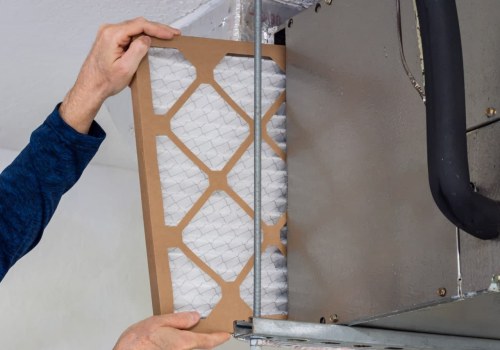
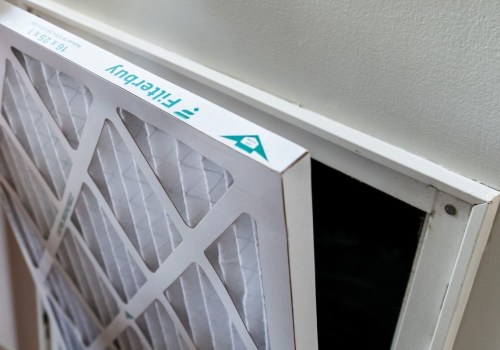
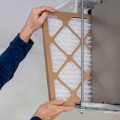
HVAC air filters are essential components of heating, ventilation, and air conditioning systems.Their primary function is to trap dust, allergens, and other airborne particles, ensuring that the air circulating within your home or office is clean and healthy. By filtering out these contaminants, HVAC air filters play a crucial role in maintaining indoor air quality and protecting the efficiency of your HVAC system.Understanding the different types of HVAC air filters available can help you make informed decisions about which filter is best suited for your needs. Here are some common types:
- Fiberglass Filters: These are the most basic and affordable type of air filter. Made from layers of fiberglass, they primarily capture larger particles like dust and lint.
However, they are not very effective at trapping smaller allergens or pollutants.
- HEPA Filters: High-Efficiency Particulate Air (HEPA) filters are designed to capture at least 99.97% of particles that are 0.3 microns in size. This makes them highly effective for individuals with allergies or respiratory issues, as they can trap pollen, pet dander, and even some bacteria.
- Electrostatic Filters: These filters use static electricity to attract and capture particles from the air. They can be washable and reusable, making them a more sustainable option. Electrostatic filters are effective at capturing both large and small particles.
- Carbon Filters: Often used in conjunction with other types of filters, carbon filters excel at removing odors and volatile organic compounds (VOCs) from the air.
They are particularly beneficial for homes with pets or those located in urban areas with higher pollution levels.
The Role of Air Filters in Indoor Air Quality
Air filters play a crucial role in enhancing indoor air quality by effectively capturing and removing a variety of pollutants that can compromise the health and comfort of occupants.Understanding how air filters function and the specific contaminants they target is essential for anyone looking to improve their living or working environment.
How Air Filters Improve Air Quality
The primary function of air filters is to trap airborne particles, including dust, pollen, pet dander, mold spores, and smoke. These filters work by forcing air through a porous material that captures these contaminants. The efficiency of an air filter is often measured by its MERV (Minimum Efficiency Reporting Value) rating, which indicates its ability to remove particles of varying sizes. A higher MERV rating signifies a more effective filter.For instance, HEPA (High-Efficiency Particulate Air) filters are renowned for their ability to capture 99.97% of particles as small as 0.3 microns.
This includes not only larger allergens but also smaller particles that can penetrate deep into the lungs, potentially causing respiratory issues.
Benefits of Air Filters
- Reduction of Allergens: By filtering out common allergens such as pollen and dust mites, air filters can significantly reduce allergy symptoms for sensitive individuals.
- Improved Respiratory Health: Clean air contributes to better lung function and overall respiratory health, particularly for those with asthma or chronic obstructive pulmonary disease (COPD).
- Odor Elimination: Certain air filters, especially those with activated carbon layers, can absorb odors from pets, cooking, and smoke, leading to a fresher indoor environment.
- Enhanced HVAC Efficiency: By keeping the air clean and reducing the load on HVAC systems, high-quality air filters can prolong the lifespan of these systems and reduce energy costs.
The Air Filtration Process
The air filtration process typically involves several stages. First, air is drawn into the HVAC system through return ducts. As it passes through the filter, larger particles are trapped in the initial layers. Smaller particles are then captured in subsequent layers of denser material.
This multi-layered approach not only improves filtration efficiency but also extends the life of the filter itself.In addition to physical filtration, some advanced air filters utilize electrostatic charges to attract and capture particles more effectively. This technology enhances the filter's ability to trap even the tiniest pollutants, ensuring that the air circulating in your home or office is as clean as possible.In conclusion, investing in high-quality air filters is essential for maintaining optimal indoor air quality. By understanding how these filters work and the specific benefits they provide, individuals can make informed decisions that lead to healthier living environments.
Comparing Cheap vs. Expensive Air Filters
When it comes to air filters, the choice between cheap and expensive options can significantly impact both indoor air quality and the efficiency of your HVAC system.Understanding the differences in effectiveness and efficiency is crucial for making an informed decision.
Cheap Air Filters
- Typically made from fiberglass, these filters are designed to capture larger particles such as dust and lint.
- They often have a low MERV (Minimum Efficiency Reporting Value) rating, usually between 1 and 4, which means they are less effective at trapping smaller particles like pollen, pet dander, and mold spores.
- While they may be more affordable upfront, their limited filtration capabilities can lead to poor indoor air quality, especially for individuals with allergies or respiratory issues.
- Additionally, cheap filters can cause your HVAC system to work harder, leading to increased energy consumption and potential long-term damage.
Expensive Air Filters
- High-quality air filters, such as HEPA (High-Efficiency Particulate Air) filters, are constructed from dense materials that effectively capture a wider range of particles.
- These filters typically have a MERV rating of 13 or higher, indicating their ability to trap even the smallest pollutants, including bacteria and smoke.
- Investing in these filters not only improves indoor air quality but also enhances the overall efficiency of your HVAC system by reducing strain and prolonging its lifespan.
- Although the initial cost is higher, the long-term benefits—such as lower energy bills and fewer health-related expenses—make them a more cost-effective choice over time.
Cost-Effectiveness of Air Filters
While cheap air filters may seem like a budget-friendly option, their inefficiency can lead to higher costs in the long run. Poor air quality can exacerbate health issues, resulting in increased medical expenses. Furthermore, a struggling HVAC system can lead to costly repairs or premature replacement. In contrast, investing in high-quality air filters not only ensures cleaner air but also contributes to the longevity of your HVAC system.In conclusion, when considering HVAC air filters near me, it’s essential to weigh the benefits of expensive filters against their initial cost.
The investment in high-quality air filtration is not just about immediate savings; it’s about ensuring a healthier living environment and protecting your HVAC system for years to come.
Health Benefits of High-Quality Air Filters
Investing in high-quality air filters can lead to significant health benefits, particularly for individuals suffering from allergies, asthma, and other respiratory conditions. The air we breathe indoors can be laden with allergens, pollutants, and irritants that can exacerbate these health issues. By utilizing effective air filtration systems, you can create a healthier living environment.Allergy Relief
For those who suffer from allergies, high-quality air filters can be a game changer. These filters are designed to capture a wide range of allergens, including:
- Pollen
- Dust mites
- Mold spores
- Pet dander
This is especially important during peak allergy seasons when pollen counts are high.
Asthma Symptom Management
Asthma sufferers often find that poor indoor air quality can trigger their symptoms. High-quality air filters, particularly those with a HEPA rating, are capable of trapping fine particulate matter that can irritate the lungs and exacerbate asthma symptoms. By filtering out these harmful particles, individuals may experience:
- Fewer asthma attacks
- Reduced reliance on medication
- Improved overall lung function
Improved Respiratory Health
Beyond allergies and asthma, high-quality air filters play a crucial role in promoting overall respiratory health. They help eliminate harmful pollutants such as:
- Volatile organic compounds (VOCs)
- Smoke particles
- Industrial pollutants
This is particularly beneficial for vulnerable populations such as children and the elderly, who may be more susceptible to the effects of poor air quality.In conclusion, the health benefits of using high-quality air filters extend far beyond mere comfort. They provide essential protection against allergens and pollutants that can significantly impact respiratory health. By investing in effective filtration systems, you are not only enhancing your indoor air quality but also safeguarding your health and well-being.
The Economic Impact of Poor Indoor Air Quality
The economic implications of poor indoor air quality (IAQ) extend far beyond immediate health concerns. When the air we breathe indoors is contaminated with pollutants, allergens, and other harmful particles, it can lead to significant financial burdens for individuals and businesses alike.One of the most direct costs associated with poor IAQ is the impact on health.Individuals exposed to polluted indoor environments are more likely to experience respiratory issues, allergies, and other health problems. This can result in increased medical expenses, including doctor visits, medications, and even hospitalizations. According to the Environmental Protection Agency (EPA) , the costs related to healthcare for conditions exacerbated by poor air quality can reach billions of dollars annually.Moreover, the productivity of employees can be severely affected by poor indoor air quality. Studies have shown that when workers are exposed to high levels of indoor pollutants, their cognitive function declines, leading to decreased productivity.
A report from the Harvard T. H. Chan School of Public Health found that improved IAQ could enhance cognitive performance by as much as 61%. This means that investing in high-quality HVAC air filters not only protects health but also boosts workplace efficiency.In addition to health and productivity costs, poor indoor air quality can also lead to increased absenteeism.
Employees who suffer from respiratory issues or allergies may take more sick days, which can disrupt business operations and lead to lost revenue. The American Journal of Respiratory and Critical Care Medicine estimates that absenteeism due to poor IAQ costs U. S. employers approximately $15 billion each year.Furthermore, businesses may face additional costs related to employee turnover.
A workplace with poor air quality can create an uncomfortable environment that drives employees away. Recruiting and training new staff incurs significant expenses, which can be avoided by maintaining a healthy indoor environment.In summary, the economic effects of indoor pollution are profound and multifaceted. From healthcare costs and reduced productivity to increased absenteeism and employee turnover, the financial implications are substantial. By investing in high-quality HVAC air filters, individuals and businesses can mitigate these costs while promoting a healthier and more productive environment.
Choosing the Right Air Filter for Your Needs
Choosing the right air filter is crucial for maintaining optimal indoor air quality and ensuring a healthy living environment.With a variety of options available, it can be overwhelming to determine which filter best suits your specific needs. Here are some essential factors to consider when selecting an air filter.
Understanding MERV Ratings
The Minimum Efficiency Reporting Value (MERV) rating is a key indicator of an air filter's effectiveness. This rating ranges from 1 to 16, with higher numbers indicating better filtration capabilities. Here’s a brief overview of MERV ratings:- MERV 1-4: These filters are typically fiberglass and capture only large particles like dust and pollen.
They are not recommended for those with allergies or respiratory issues.
- MERV 5-8: These filters can trap smaller particles, including mold spores and pet dander, making them a better choice for households with pets or mild allergies.
- MERV 9-12: Filters in this range are effective at capturing finer particles such as smoke and smog, providing significant relief for allergy sufferers.
- MERV 13-16: These high-efficiency filters can capture very small particles, including bacteria and viruses, making them ideal for individuals with severe allergies or respiratory conditions.
Best Air Filters for Allergies
If you or someone in your household suffers from allergies, investing in a high-MERV filter is essential.HEPA filters
(High-Efficiency Particulate Air) are particularly effective, as they can trap up to 99.97% of particles that are 0.3 microns in size. This includes common allergens such as:- Pollen
- Mold spores
- Dust mites
- Pet dander
Consider Your Specific Needs
Your choice of air filter should also take into account any specific conditions present in your home. For instance:- If you have pets, consider filters that specifically target pet dander and odors.
- If you live in an area with high pollution levels, opt for filters that can effectively remove smoke and chemical pollutants.
- If anyone in your household has asthma or other respiratory issues, prioritize filters with higher MERV ratings to ensure cleaner air.
FAQs About HVAC Air Filters and Indoor Air Quality
When it comes to maintaining a healthy indoor environment, understanding HVAC air filters is crucial.Here are some frequently asked questions that can help clarify common misconceptions and provide practical advice on air filter maintenance and lifespan.
What is the purpose of HVAC air filters?
HVAC air filters serve a vital role in improving indoor air quality by trapping dust, allergens, and other pollutants. They prevent these particles from circulating through your home, which can significantly reduce respiratory issues and allergies.How often should I replace my HVAC air filter?
The frequency of replacing your air filter depends on several factors, including:- Type of filter: HEPA filters typically last longer than standard fiberglass filters.
- Usage: If you run your HVAC system frequently, you may need to change the filter every 1-3 months.
- Allergies or pets: Households with pets or allergy sufferers may require more frequent changes, possibly every month.
What happens if I don’t change my air filter?
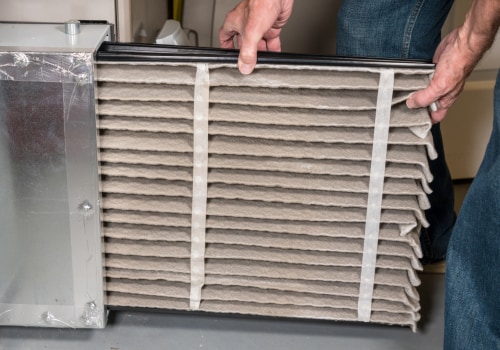
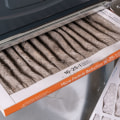
Neglecting to change your air filter can lead to several issues:- Poor indoor air quality: A clogged filter cannot effectively trap pollutants, allowing them to circulate in your home.
- Increased energy costs: A dirty filter forces your HVAC system to work harder, leading to higher energy bills.
- System damage: Over time, neglecting filter maintenance can cause strain on your HVAC system, potentially leading to costly repairs.
How do I know which air filter is best for my system?
Selecting the right air filter involves considering the MERV rating, which indicates the filter's efficiency. A higher MERV rating means better filtration capabilities. For most residential applications, a MERV rating between 8 and 13 is ideal.However, if you have specific health concerns or live in a polluted area, opting for a HEPA filter may be beneficial.
Can I clean and reuse my HVAC air filter?
While some filters are designed to be washable and reusable, most standard filters are not. Attempting to clean a disposable filter can compromise its effectiveness. Always check the manufacturer's guidelines before deciding to clean or replace your filter.By understanding these common questions about HVAC air filters, you can make informed decisions that enhance your indoor air quality and overall health.Conclusion: The Importance of Investing in Quality Air Filters
In summary, the significance of investing in high-quality air filters cannot be overstated. As we have explored throughout this article, the air we breathe indoors plays a crucial role in our overall health and well-being.Poor indoor air quality can lead to a myriad of health issues, from minor irritations like headaches and fatigue to more severe conditions such as asthma and other respiratory diseases.By choosing HVAC air filters near me that are designed with advanced filtration technology, you can effectively reduce the presence of harmful particles, allergens, and pollutants in your home. High-quality filters, particularly those with a high MERV rating or HEPA certification, are engineered to capture even the smallest contaminants, ensuring that the air circulating through your living space is as clean and safe as possible.Moreover, investing in superior air filters not only enhances your indoor air quality but also contributes to the longevity and efficiency of your HVAC system. When your system is equipped with a quality filter, it operates more efficiently, reducing energy consumption and minimizing wear and tear. This proactive approach can lead to significant savings on energy bills and costly repairs down the line.It is also essential to recognize that the cost of neglecting indoor air quality can far exceed the initial investment in a good air filter.
The potential health risks associated with poor air quality can lead to increased medical expenses and decreased productivity. Therefore, prioritizing high-quality air filtration is not just a matter of comfort; it is an investment in your health and financial well-being.As you consider your options for HVAC air filters near me, remember that the benefits of high-quality filters extend beyond immediate improvements in air quality. They represent a commitment to creating a healthier living environment for you and your loved ones. In conclusion, making informed choices about air filtration is a vital step toward safeguarding your health and enhancing your quality of life.