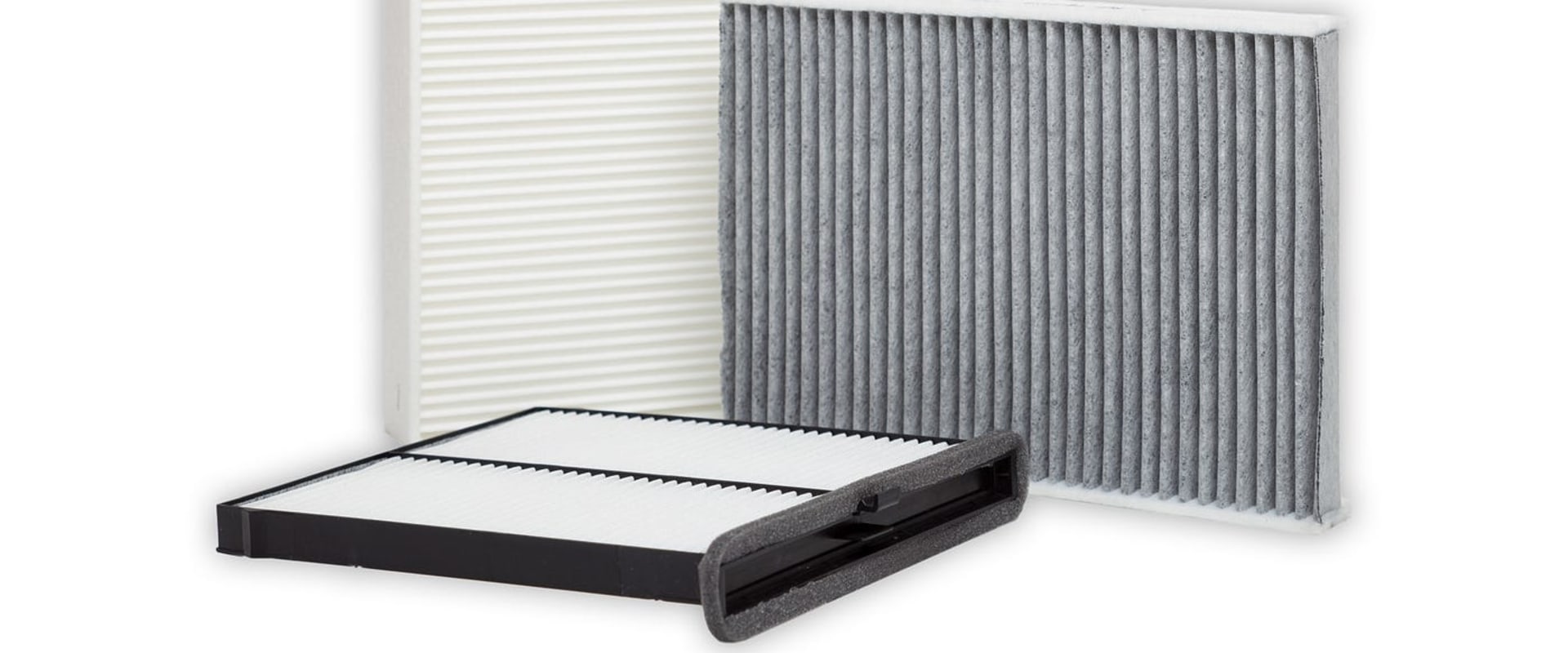
When it comes to maintaining a healthy home environment, the role of HVAC air filters cannot be overstated. These filters serve as the first line of defense against airborne pollutants, ensuring that the air circulating through your living space is clean and safe. With increasing concerns about indoor air quality, understanding the importance of these filters is essential for every homeowner. Not only do they trap dust, pollen, and pet dander, but they also play a crucial role in reducing allergens and irritants that can exacerbate respiratory issues.Choosing the right air filter goes beyond just picking a product off the shelf; it involves recognizing how different filters impact both your health and your HVAC system's efficiency.
A high-quality air filter can significantly improve indoor air quality by capturing microscopic particles that are often invisible to the naked eye. This is particularly important for individuals with allergies or asthma, as cleaner air can lead to fewer symptoms and a more comfortable living environment.Moreover, the benefits of HVAC air filters extend to the longevity and performance of your heating and cooling systems. Clogged or inefficient filters can lead to increased energy consumption, higher utility bills, and even costly repairs down the line. By investing in the right filter and adhering to a regular maintenance schedule, you not only enhance your home's air quality but also protect your HVAC system from unnecessary strain.In summary, understanding the significance of HVAC air filters is vital for anyone looking to create a healthier home atmosphere.
As we delve deeper into this guide, you'll discover how to select the perfect filter tailored to your specific needs, ensuring that you breathe easier and live better.
Types of HVAC Air Filters
When it comes to selecting the right HVAC air filter, understanding the various types available is essential. Each type of air filter has its own unique construction, efficiency levels, and ideal applications. Below, we delve into the most common types of air filters to help you make an informed decision.Fiberglass Filters
Fiberglass filters are among the most basic and economical options on the market. Constructed from layered fiberglass fibers, these filters are designed primarily to capture larger particles such as dust and lint.While they are budget-friendly, their efficiency in trapping smaller particles is limited. This means that while they can help protect your HVAC system from larger debris, they may not significantly improve indoor air quality. Fiberglass filters typically need to be replaced every 30 days, making them a less sustainable choice for long-term use.
Pleated Filters
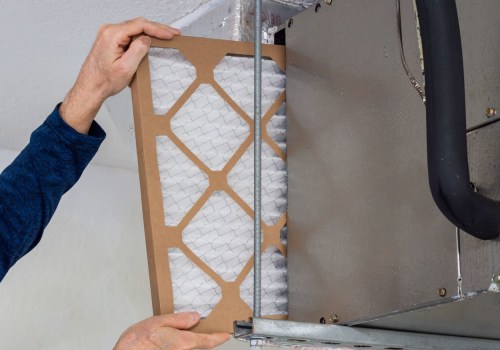
Pleated filters represent a step up in terms of filtration efficiency. Made from polyester or cotton, these filters feature a larger surface area due to their pleated design, allowing them to capture more particles than fiberglass filters.They are more durable and can last anywhere from 3 to 6 months before needing replacement. Pleated filters are effective at trapping allergens like pollen and pet dander, making them a suitable choice for households with allergy sufferers.
Electrostatic Filters
Electrostatic filters utilize an electric charge to attract and trap airborne particles. This technology allows them to capture both large and small particles effectively, making them an excellent option for those with allergies or respiratory issues. While they tend to be more expensive than fiberglass or pleated filters, their longevity—often lasting up to 5 years—can make them a cost-effective choice in the long run.Regular cleaning is necessary to maintain their efficiency.
HEPA Filters
HEPA (High-Efficiency Particulate Air) filters are renowned for their superior filtration capabilities. These filters can capture up to 99.97% of particles as small as 0.3 microns, including dust mites, mold spores, and pet dander. HEPA filters are particularly beneficial for individuals with severe allergies or respiratory conditions. However, they require a compatible HVAC system due to their dense construction, which can restrict airflow if not properly matched.Regular replacement is crucial to ensure optimal performance.In summary, understanding the different types of HVAC air filters—fiberglass, pleated, electrostatic, and HEPA—can significantly impact your indoor air quality and HVAC system efficiency. By evaluating your specific needs and preferences, you can choose the right filter that balances cost-effectiveness with performance.
How to Choose the Right Air Filter for Your Home
Choosing the right air filter for your home is a crucial step in maintaining a healthy indoor environment. With various options available, it can be daunting to determine which filter best suits your needs. Here’s a comprehensive guide to help you navigate the selection process.1.Assess Your Home's Air Quality Needs
- Consider any allergies or respiratory issues among household members.
If someone suffers from asthma or allergies, a high-efficiency filter, such as a HEPA filter, may be necessary.
- Evaluate the presence of pets, as they can contribute to higher levels of dander and hair in the air.
- Take into account your local environment. If you live in an area with high pollution or dust levels, you may need a more robust filtration system.
2.Determine the Correct Size
Air filters come in various sizes, and selecting the right one is essential for optimal performance. To find the correct size:
- Measure the dimensions of your air return vent. Use a tape measure to get the width and height accurately. Measure the dimensions of your air return vent. Use a tape measure to get the width and height accurately.
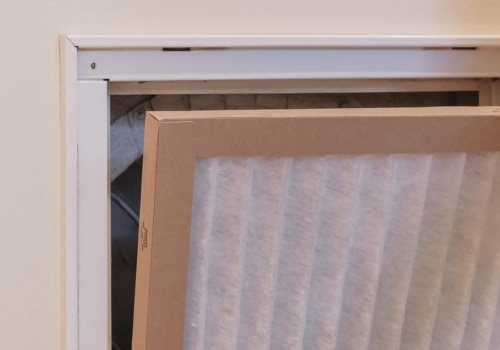
- Check the existing filter for size specifications, which are often printed on the frame.
- If you’re unsure, consult your HVAC system’s manual or contact a professional for assistance.
3.Understand MERV Ratings
The Minimum Efficiency Reporting Value (MERV) rating is a critical factor in selecting an air filter.
This rating indicates how effectively a filter can capture particles of varying sizes:
- A MERV rating of 1-4 is suitable for basic filtration needs, capturing larger particles like dust and lint.
- A rating of 5-8 is ideal for homes with pets or moderate allergy concerns, as it captures smaller particles more effectively.
- A MERV rating of 9-12 is recommended for those with severe allergies or respiratory issues, providing excellent filtration.
- MERV ratings above 13 are typically found in hospital-grade filters and are excellent for removing very fine particles but may restrict airflow in some HVAC systems.
4.Consider Filter Type
Different types of filters offer varying levels of efficiency and cost:
- Fiberglass Filters: Affordable but less effective at trapping smaller particles.
- Pleated Filters: More efficient than fiberglass and last longer due to their larger surface area.
- Electrostatic Filters: Use static electricity to attract particles; they are reusable but may require more maintenance.
- HEPA Filters: Best for those needing maximum filtration; they capture up to 99.97% of particles as small as 0.3 microns.
Where to Find HVAC Air Filters Near You
Finding the right HVAC air filters near me is essential for maintaining optimal air quality in your home. Fortunately, there are several convenient options available for purchasing air filters locally. Here’s a breakdown of where you can find these vital components.Home Improvement Stores
One of the most accessible places to buy HVAC air filters is at local home improvement stores. Chains like Home Depot, Lowe's, and Menards typically carry a wide selection of air filters in various sizes and types.These stores often have knowledgeable staff who can assist you in selecting the right filter based on your HVAC system's specifications.
Local Hardware Stores
Don’t overlook smaller, independent hardware stores in your area. They may offer a more personalized shopping experience and can often provide valuable advice tailored to your specific needs. Many local hardware stores stock popular brands of air filters and may even have special orders available if you need a less common size.Online Retailers with Local Pickup Options
If you prefer the convenience of online shopping, many retailers offer the option to order HVAC air filters online and pick them up at a nearby location. Websites like Amazon, Walmart, and Target allow you to search for filters by size and type, making it easy to find what you need.Additionally, some local businesses have adapted to e-commerce by providing online ordering with in-store pickup.
Specialty HVAC Supply Stores
For those seeking a more extensive range of options or specialized filters, consider visiting an HVAC supply store. These stores cater specifically to heating and cooling needs and often carry high-efficiency filters that may not be available at general retailers. Staff at these locations are usually well-versed in HVAC systems and can help you choose the best filter for your home.Local Classifieds and Community Boards
Another option is to check local classifieds or community boards such as Craigslist or Facebook Marketplace. Sometimes individuals sell surplus or unused air filters at discounted prices.However, ensure that any filters purchased this way are still sealed and within their expiration date to guarantee effectiveness.In conclusion, whether you prefer shopping in-store or online, there are numerous avenues to explore when searching for HVAC air filters near me. By considering these options, you can easily find the right air filter that meets your needs while ensuring your home remains a healthy environment.
Maintaining Your Air Filter: Best Practices
Maintaining your air filter is essential for ensuring that your HVAC system operates efficiently and that the air quality in your home remains high. Regular maintenance not only prolongs the life of your air filter but also enhances the overall performance of your heating and cooling system.How Often Should You Change Your Air Filter?
The frequency with which you should change your air filter can vary based on several factors, including the type of filter you use, the presence of pets, and the overall air quality in your area. As a general guideline:- Fiberglass Filters: These should be replaced every 30 days.
- Pleated Filters: Typically, these can last between 3 to 6 months.
- Electrostatic Filters: Depending on usage, these may need to be cleaned or replaced every 1 to 3 months.
- HEPA Filters: These high-efficiency filters can last up to 12 months but should be checked regularly.
Additionally, during peak usage seasons—like summer and winter—filters may clog faster due to increased demand on your HVAC system.
Signs of a Dirty Air Filter
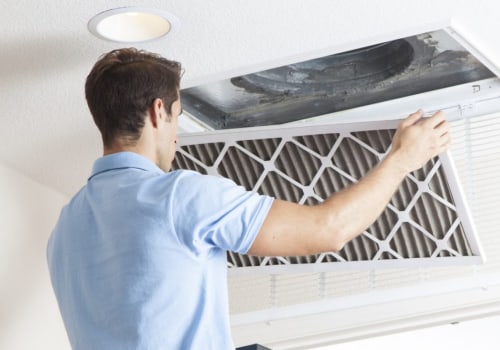
Recognizing when your air filter needs to be changed is crucial for maintaining optimal performance. Here are some common signs that indicate a dirty or clogged air filter:- Reduced Airflow: If you notice that the airflow from your vents has decreased significantly, it may be time to check your filter.
- Increased Energy Bills: A dirty filter forces your HVAC system to work harder, leading to higher energy consumption and increased utility bills.
- Unpleasant Odors: A musty or stale smell coming from your vents can indicate that dust and allergens are trapped in a dirty filter.
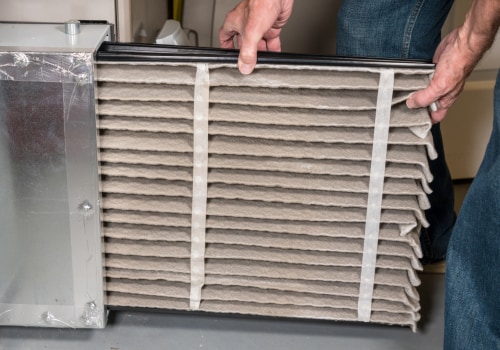
- Visible Dirt and Dust: If you can see dirt accumulating on the filter itself, it’s a clear sign that it needs replacing.
- Allergy Symptoms: If you or your family members experience increased allergy symptoms indoors, it could be due to a clogged air filter failing to trap allergens effectively.
Common Myths About Air Filters Debunked
When it comes to HVAC air filters, there are numerous myths and misconceptions that can lead homeowners astray. Understanding the truth behind these myths is essential for making informed decisions about air filtration in your home.Here, we debunk some of the most common myths surrounding air filters.
Myth 1: All Air Filters Are the Same
One of the biggest misconceptions is that all air filters perform equally. In reality, air filters vary significantly in terms of efficiency, material, and design. For instance, HEPA filters are designed to capture 99.97% of particles as small as 0.3 microns, while fiberglass filters primarily trap larger particles. Choosing the right filter for your specific needs is crucial for optimal air quality.Myth 2: Higher MERV Ratings Are Always Better
While a higher MERV (Minimum Efficiency Reporting Value) rating indicates better filtration, it doesn't always mean it's the best choice for your HVAC system.Filters with very high MERV ratings can restrict airflow, potentially causing strain on your system and leading to higher energy costs. It's essential to find a balance between filtration efficiency and system compatibility.
Myth 3: You Only Need to Change Your Filter Once a Year
Another common myth is that changing your air filter once a year is sufficient. In reality, the frequency of filter replacement depends on various factors such as household size, presence of pets, and local air quality. Most experts recommend checking your filter every month and replacing it every 1-3 months to maintain optimal performance.Myth 4: Air Filters Eliminate All Allergens
While air filters significantly improve indoor air quality by capturing many allergens like dust and pollen, they do not eliminate all airborne contaminants.Some smaller particles may still pass through, especially if you're using a lower-quality filter. For those with severe allergies or respiratory issues, investing in a high-efficiency filter or an additional air purification system may be necessary.
Myth 5: You Can Clean and Reuse Disposable Filters
Many homeowners believe they can simply clean their disposable filters and reuse them. However, this practice can lead to reduced efficiency and potential damage to your HVAC system. Disposable filters are designed for one-time use; cleaning them often does not restore their original effectiveness.By debunking these common myths about HVAC air filters, you can make more informed choices that enhance your home's air quality and protect your HVAC system.Always consult with professionals if you're unsure about which filter is best for your needs.
Conclusion: Breathe Easy with the Right Air Filter
In conclusion, selecting the right HVAC air filter is not just a matter of convenience; it is a critical decision that impacts your home’s air quality, the efficiency of your heating and cooling systems, and ultimately, your health. Throughout this guide, we have explored various types of air filters, their unique benefits, and how they cater to different needs.Understanding the distinctions between fiberglass , pleated , electrostatic , and HEPA filters empowers you to make an informed choice. Each type serves a specific purpose, whether it’s capturing larger particles or filtering out microscopic allergens. For those with allergies or respiratory issues, investing in a high-efficiency filter like a HEPA can significantly enhance indoor air quality.Moreover, knowing how to measure your air return accurately ensures that you select a filter that fits perfectly.A well-fitted filter not only performs better but also prolongs the life of your HVAC system by preventing dust and debris buildup. Remember to consider the MERV rating as well; it provides insight into the filter's efficiency in trapping particles. However, balance is key—while higher MERV ratings offer better filtration, they may also restrict airflow if not compatible with your system.Regular maintenance is equally important. Checking and replacing your air filter every 1-3 months can prevent costly repairs and maintain optimal performance.
Factors such as pet ownership or living in polluted areas may necessitate more frequent changes. A clean filter allows your HVAC system to operate efficiently, reducing energy consumption and lowering utility bills.Ultimately, the right air filter contributes to a healthier living environment by ensuring that you breathe clean air free from harmful pollutants. By prioritizing this aspect of home maintenance, you are taking a proactive step towards safeguarding your family’s health and enhancing comfort in your home.So, as you consider your options for HVAC air filters near me, remember that this choice is about more than just cost; it’s about investing in your well-being and creating a sanctuary where you can breathe easy.