Indoor air quality (IAQ) is a critical aspect of our living environments that often goes unnoticed. While we may focus on the cleanliness of our homes and the quality of the food we consume, the air we breathe indoors can be laden with pollutants that significantly impact our health and well-being. Understanding IAQ is essential, as it encompasses various factors, including the presence of allergens, volatile organic compounds (VOCs), and particulate matter. These elements can originate from everyday household items such as cleaning products, furniture, and even building materials.The importance of maintaining good indoor air quality cannot be overstated.
Poor IAQ has been linked to a range of health issues, from minor irritations like headaches and fatigue to more severe conditions such as asthma, respiratory infections, and cardiovascular diseases. Vulnerable populations, including children, the elderly, and individuals with pre-existing health conditions, are particularly at risk. As we spend a significant portion of our lives indoors—often up to 90%—the quality of the air in our homes directly influences our overall health.Moreover, the effects of poor indoor air quality extend beyond physical health; they can also impact mental well-being. Studies have shown that exposure to indoor pollutants can lead to increased stress levels and decreased cognitive function.
This highlights the need for proactive measures to improve IAQ, making it imperative for homeowners to consider solutions such as high-quality air filters. By investing in effective filtration systems, individuals can significantly reduce airborne contaminants, creating a healthier living environment for themselves and their families.
What Are HVAC Air Filters?
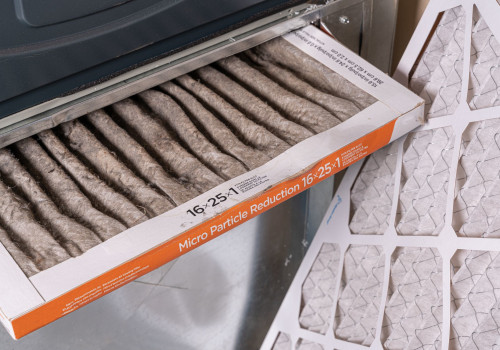
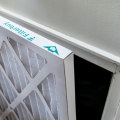
HVAC air filters are essential components of heating, ventilation, and air conditioning systems. Their primary function is to trap airborne particles, ensuring that the air circulating within your home is clean and healthy. By filtering out dust, pollen, pet dander, mold spores, and other contaminants, these filters play a crucial role in maintaining indoor air quality.There are several types of HVAC air filters , each designed to meet different needs and preferences:- Fiberglass Filters: These are the most basic type of air filter.
Made from layered fiberglass strands, they are inexpensive and effective at capturing larger particles. However, they have a lower MERV rating, meaning they are less efficient at trapping smaller pollutants.
- Pleated Filters: Constructed with a series of folds that increase their surface area, pleated filters can capture more particles than fiberglass filters. They typically have a higher MERV rating and are available in various thicknesses.
- HEPA Filters: High-Efficiency Particulate Air (HEPA) filters are designed to trap 99.97% of particles that are 0.3 microns or larger. These filters are ideal for individuals with allergies or respiratory issues due to their superior filtration capabilities.
- Electrostatic Filters: Utilizing static electricity to attract and capture particles, electrostatic filters can be washable or disposable.
They offer excellent filtration efficiency and can last longer than traditional filters.
- Carbon Filters: Often used in conjunction with other types of filters, carbon filters excel at removing odors and volatile organic compounds (VOCs) from the air.
- Fiberglass: Lightweight and cost-effective, fiberglass is commonly used in basic filters but lacks the efficiency of higher-end options.
- Pleated Media: Typically made from synthetic fibers or cotton, pleated media offers better filtration due to its increased surface area.
- Activated Carbon: This material is treated to enhance its ability to absorb odors and chemicals, making it a popular choice for improving indoor air quality.
- HEPA Material: Composed of densely packed fibers, HEPA material is specifically designed for high-efficiency filtration.
The Role of Air Filters in Indoor Air Quality
Air filters play a pivotal role in enhancing indoor air quality by capturing and removing various airborne contaminants. Understanding how these filters function can help homeowners make informed decisions about their HVAC systems and the air they breathe.At the core of an air filter's effectiveness is its filtration process. When air circulates through your HVAC system, it passes through the filter, which is designed to trap particles such as dust, pollen, pet dander, mold spores, and even smoke.The efficiency of this process largely depends on the filter's material and design.Most air filters are rated using the Minimum Efficiency Reporting Value (MERV) scale, which ranges from 1 to 16. A higher MERV rating indicates a filter's ability to capture smaller particles. For instance, filters with a MERV rating of 8 to 13 are effective at trapping allergens and fine dust, making them suitable for households with allergy sufferers. In contrast, filters rated below 8 may only capture larger particles, allowing many harmful contaminants to circulate in your home.Another important aspect of air filter efficiency is the surface area. Filters with a larger surface area can trap more particles before becoming clogged.
This means they can operate effectively for longer periods without needing replacement. High-quality filters often feature multiple folds or pleats that increase their surface area, enhancing their ability to purify the air.Moreover, the material used in air filters significantly impacts their performance. Fiberglass filters are common due to their affordability; however, they may not provide adequate filtration for those concerned about indoor air quality. On the other hand, pleated filters made from synthetic materials or high-efficiency particulate air (HEPA) filters offer superior filtration capabilities and are particularly beneficial for individuals with respiratory issues.In summary, investing in high-quality air filters is essential for improving indoor air quality.
By understanding the filtration process, MERV ratings, and the importance of surface area and material, homeowners can select the right HVAC air filters that meet their needs and contribute to a healthier living environment.
Benefits of High-Quality Air Filters
Investing in high-quality air filters offers a multitude of benefits that extend beyond mere air purification. These filters are designed to enhance indoor air quality, which can lead to significant health improvements and overall well-being.1.Improved Health Outcomes
One of the most compelling reasons to choose premium air filters is their ability to improve health outcomes. High-quality filters effectively capture a wide range of airborne pollutants, including:
- Dust and Dust Mites: These common allergens can trigger asthma and allergy symptoms.
- Pollen: Seasonal allergies can be exacerbated by pollen, which high-quality filters can significantly reduce.
- Mold Spores: Mold can thrive in damp environments, and effective filtration helps prevent its spread.
- Pet Dander: For pet owners, high-quality filters can help minimize dander, making the home more comfortable for sensitive individuals.
- Smoke Particles: Whether from cooking or outdoor sources, smoke can be harmful, and premium filters help mitigate its effects.
2.Enhanced HVAC System Performance
Another significant advantage of investing in superior air filters is the positive impact on your HVAC system's performance. High-quality filters are designed with better materials and construction, allowing for:
- Increased Airflow: Unlike cheaper alternatives that may restrict airflow, premium filters maintain optimal airflow, ensuring your HVAC system operates efficiently.
- Energy Efficiency: A well-functioning HVAC system consumes less energy.
By using high-quality filters that do not clog easily, you can reduce energy bills while maintaining comfort.
- Extended Equipment Lifespan: By preventing dust and debris from accumulating within the system, high-quality filters help prolong the life of your HVAC equipment.
3.Long-Term Cost Savings
While the initial investment in high-quality air filters may be higher than standard options, the long-term savings are undeniable. With fewer replacements needed and reduced energy costs due to improved efficiency, these filters prove to be a cost-effective choice over time.In conclusion, the benefits of investing in high-quality air filters are clear. From enhancing health outcomes by reducing allergens to improving HVAC performance and offering long-term savings, these filters are an essential component of maintaining a healthy indoor environment. Prioritizing quality in your air filtration system is not just a choice; it’s an investment in your health and comfort.
Cost-Effectiveness of Investing in Quality Filters
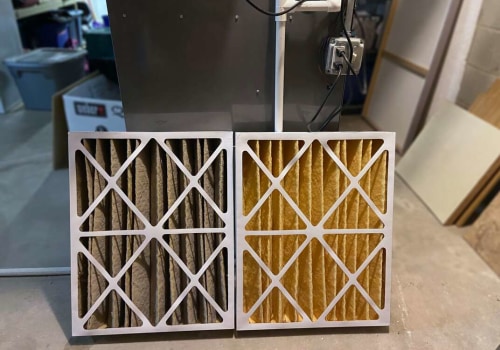
When considering the cost-effectiveness of air filters, it’s essential to look beyond the initial purchase price.While cheaper filters may seem appealing due to their lower upfront costs, they often lead to higher expenses over time. Investing in high-quality air filters can yield significant long-term savings, particularly in terms of HVAC maintenance and replacement frequency.One of the primary advantages of high-quality air filters is their durability and efficiency. Unlike their cheaper counterparts, which may need to be replaced every month, premium filters can last up to three months or longer, depending on usage and environmental factors. This extended lifespan not only reduces the frequency of purchases but also minimizes the hassle of regular replacements.Moreover, high-quality filters are designed to capture a greater volume of airborne particles, including dust, pollen, and allergens.
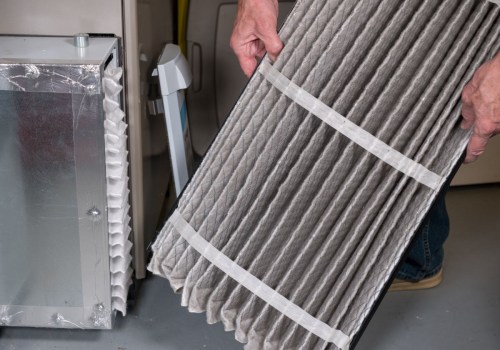
This enhanced filtration capability means that your HVAC system doesn’t have to work as hard to maintain optimal air quality. As a result, you can expect lower energy bills since a well-maintained system operates more efficiently.In addition to energy savings, investing in quality air filters can lead to reduced maintenance costs for your HVAC system. When filters are clogged with dirt and debris, the system has to exert more effort to circulate air, which can lead to wear and tear on components. Over time, this strain can result in costly repairs or even premature system failure.
By using high-quality filters that maintain airflow and protect your system from contaminants, you can extend the lifespan of your HVAC unit and avoid expensive repairs.Furthermore, many manufacturers offer warranties on their high-quality filters, providing additional peace of mind regarding your investment. This warranty often covers defects and performance issues that may arise during the filter's lifespan, ensuring that you receive a product that meets your expectations.In summary, while the initial cost of high-quality air filters may be higher than cheaper alternatives, the long-term savings on replacements and HVAC maintenance make them a wise investment. By choosing quality over cost, you not only improve your indoor air quality but also protect your financial interests in the long run.
Choosing the Right Air Filter for Your Home
Choosing the right air filter for your home is essential for maintaining optimal indoor air quality. With a plethora of options available, it can be daunting to determine which filter best suits your needs.Here are some key factors to consider when selecting an air filter:
- Filter Type: There are several types of air filters, including fiberglass, pleated, HEPA, and electrostatic filters. Fiberglass filters are inexpensive but offer minimal filtration. Pleated filters, on the other hand, have a larger surface area and can trap more particles. HEPA filters are highly effective at capturing allergens and pollutants, making them ideal for homes with pets or individuals with allergies.
- MERV Rating: The Minimum Efficiency Reporting Value (MERV) rating indicates a filter's effectiveness at trapping particles of different sizes.
A higher MERV rating means better filtration. For general home use, a MERV rating between 8 and 12 is often recommended. However, if you have specific concerns such as allergies or asthma, consider filters with a MERV rating of 13 or higher.
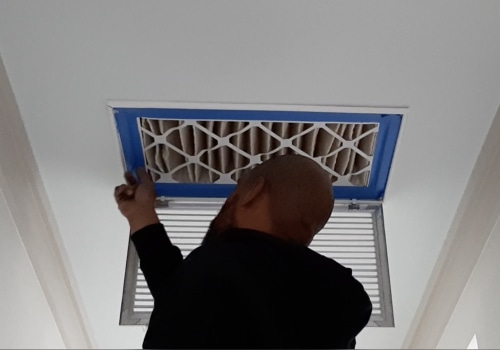
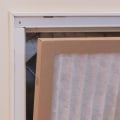
- Size: Ensure that the air filter you choose fits your HVAC system properly. Filters come in various sizes, so measure your existing filter or check your HVAC unit's specifications to find the correct dimensions.
- Filter Lifespan: Different filters have varying lifespans.
Some may need to be replaced every month, while others can last up to six months or longer. Consider how often you want to change your filters and choose accordingly.
- Allergen Considerations: If anyone in your household suffers from allergies or respiratory issues, opt for filters designed to capture allergens like pollen, dust mites, and pet dander. HEPA filters are particularly effective in this regard.
- Energy Efficiency: High-quality air filters can improve your HVAC system's efficiency by allowing it to operate smoothly without overworking. This can lead to lower energy bills over time.
Many retailers provide customer reviews and ratings that can help guide your decision-making process.In summary, selecting the right air filter involves understanding your specific needs and the characteristics of different filter types. By considering factors such as MERV ratings, size, lifespan, and allergen capture capabilities, you can make an informed choice that enhances your home's air quality and overall comfort.
Common Misconceptions About Air Filters
When it comes to air filters, there are numerous misconceptions that can lead to poor decision-making regarding indoor air quality. Understanding these myths is crucial for homeowners looking to improve their HVAC systems and overall health.Myth 1: All Air Filters Are the Same
One of the most prevalent misconceptions is that all air filters perform equally. In reality, air filters vary significantly in terms of material, efficiency, and lifespan.
For instance, high-quality HVAC air filters are designed to capture a greater number of airborne particles compared to standard fiberglass filters. This difference can have a profound impact on indoor air quality.
Myth 2: Changing Filters More Often Is Always Better
While it’s essential to change your air filters regularly, doing so excessively can be counterproductive. Overly frequent changes may lead to unnecessary costs and could even disrupt the airflow in your HVAC system. It’s important to follow the manufacturer’s recommendations for filter replacement based on usage and environmental factors.
Myth 3: Higher MERV Ratings Are Always Better
Many homeowners believe that a higher MERV (Minimum Efficiency Reporting Value) rating automatically means better filtration.
However, this isn’t always the case. Filters with very high MERV ratings can restrict airflow, putting additional strain on your HVAC system. It’s crucial to find a balance between filtration efficiency and airflow compatibility with your system.
Myth 4: Air Filters Only Capture Dust
Another common myth is that air filters are only effective at trapping dust particles. In fact, high-quality filters can capture a wide range of contaminants, including pollen, pet dander, mold spores, and even smoke particles.
This capability is particularly beneficial for individuals with allergies or respiratory issues.
Myth 5: Expensive Filters Are Not Worth the Investment
Some homeowners shy away from investing in premium air filters due to their higher upfront cost. However, these filters often last longer and require less frequent replacement, ultimately saving money over time. Additionally, they provide superior filtration that can enhance indoor air quality and contribute to better health.By debunking these common myths about air filters, homeowners can make more informed choices when searching for HVAC air filters near me. Understanding the facts versus the myths surrounding air filtration is essential for maintaining a healthy living environment.
FAQs About High-Quality Air Filters
When it comes to high-quality air filters, many homeowners have questions about their effectiveness, maintenance, and overall impact on indoor air quality.Below are some frequently asked questions that can help clarify the importance of investing in these essential components of your HVAC system.
What is the difference between standard and high-quality air filters?
Standard air filters are often made from basic materials like cardboard or paper, which may not effectively trap smaller particles. In contrast, high-quality air filters, such as those made from fiberglass or HEPA materials, are designed to capture a wider range of pollutants, including dust, pollen, mold spores, and pet dander. This enhanced filtration capability leads to significantly improved indoor air quality.How often should I replace my air filter?
The frequency of replacing your air filter depends on several factors, including the type of filter you use and your household's specific needs. Generally, it is recommended to check your filter every month and replace it every 3 months for standard filters.However, if you have pets or allergies, you may need to change it more frequently. High-quality filters can last longer but should still be monitored regularly.
Can high-quality air filters improve my HVAC system's efficiency?
Yes! Investing in high-quality air filters can enhance your HVAC system's efficiency. These filters allow for better airflow while effectively trapping contaminants. This means your system doesn't have to work as hard to circulate air, potentially leading to lower energy bills and a longer lifespan for your HVAC unit.Are there specific brands of air filters I should consider?
While there are many brands available, look for those that offer filters with a high MERV (Minimum Efficiency Reporting Value) rating.Brands like Nordic Pure and 3M Filtrete are known for their quality and effectiveness in improving indoor air quality. Always check customer reviews and product specifications to ensure you're making an informed choice.
What are the health benefits of using high-quality air filters?
High-quality air filters can significantly reduce allergens and irritants in your home, which is especially beneficial for individuals with asthma or allergies. By trapping harmful particles, these filters help create a healthier living environment, reducing respiratory issues and improving overall well-being.In summary, investing in high-quality air filters is a proactive step towards enhancing your indoor air quality. By addressing these common questions, homeowners can make informed decisions that benefit both their health and their HVAC systems.Conclusion: The Importance of Investing in Quality Air Filters
In conclusion, the significance of investing in high-quality HVAC air filters cannot be overstated.As we have explored throughout this article, the air we breathe indoors can significantly impact our health and well-being. By choosing superior air filters, you are not only enhancing the quality of your indoor air but also taking proactive steps to safeguard your family's health.High-quality air filters, particularly those made from durable materials like fiberglass, offer superior filtration capabilities. They effectively capture a wide range of airborne pollutants, including dust, pollen, mold spores, and even smoke particles. This is especially crucial for individuals with respiratory conditions or allergies, as cleaner air can lead to fewer symptoms and improved overall comfort.Moreover, investing in quality filters can lead to long-term savings.
While the initial cost may be higher than that of cheaper alternatives, the durability and efficiency of high-quality filters mean they need to be replaced less frequently. This not only reduces waste but also minimizes the hassle and expense associated with regular filter changes.Additionally, it is essential to consider the impact of high-quality filters on your HVAC system's performance. Contrary to common misconceptions, these filters do not hinder airflow when properly maintained. In fact, they can enhance the efficiency of your heating and cooling systems by ensuring that they operate under optimal conditions.As you search for HVAC air filters near me, remember that quality should be your top priority.
Look for filters with a higher MERV rating, as these are designed to trap smaller particles more effectively. Investing in reputable brands and retailers can also ensure that you receive a product that meets industry standards.Ultimately, the choice to invest in high-quality air filters is a choice for better health and comfort in your home. By prioritizing clean air, you are making a significant investment in your family's well-being and creating a healthier living environment for everyone.