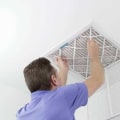
When it comes to maintaining a comfortable and healthy indoor environment, HVAC air filters play a pivotal role. These filters are designed to trap dust, pollen, pet dander, and other airborne particles, ensuring that the air circulating through your home is clean and safe to breathe. However, not all air filters are created equal, and understanding their various types and functions is essential for optimizing your HVAC system's performance. There are several types of HVAC air filters available on the market, each with its own unique features and benefits. The most common types include fiberglass filters, pleated filters, HEPA filters, and electrostatic filters.
Fiberglass filters are typically the most affordable option but may not capture smaller particles effectively. On the other hand, pleated filters offer a larger surface area for trapping contaminants and can significantly improve indoor air quality. HEPA filters are renowned for their ability to remove up to 99.97% of particles as small as 0.3 microns, making them an excellent choice for allergy sufferers. Lastly, electrostatic filters use static electricity to attract and capture particles, providing a reusable option that can save money in the long run. The importance of selecting the right air filter cannot be overstated.
A high-quality filter not only enhances indoor air quality but also contributes to the overall efficiency of your HVAC system. When air filters are clogged or ineffective, they force your system to work harder, leading to increased energy consumption and potential damage over time. Regularly replacing or cleaning your air filter is crucial for maintaining optimal airflow and ensuring that your HVAC system operates smoothly. In summary, understanding HVAC air filters is vital for anyone looking to improve their home's air quality and HVAC efficiency. By familiarizing yourself with the different types of filters available and recognizing their significance in your system's performance, you can make informed decisions that benefit both your health and your wallet.
Types of HVAC Air Filters
When it comes to maintaining a healthy indoor environment, understanding the different types of HVAC air filters is essential.Each type of filter has unique characteristics that affect its efficiency, lifespan, and suitability for various applications. Below, we explore the most common types of air filters used in HVAC systems.
Pleated Filters
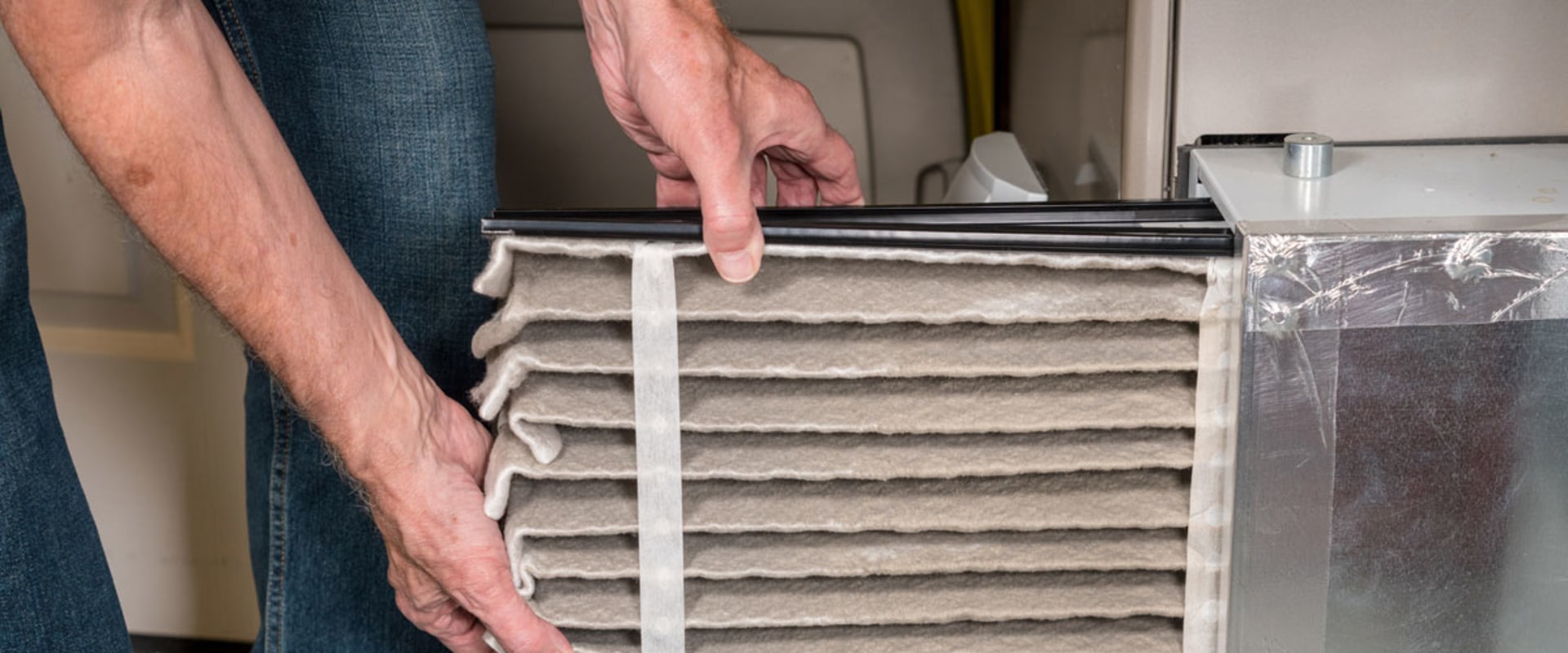
Pleated filters are among the most popular choices for residential and commercial HVAC systems. Made from a combination of synthetic materials and cotton, these filters feature a pleated design that increases their surface area, allowing them to capture more airborne particles.- Efficiency: Pleated filters typically have a MERV (Minimum Efficiency Reporting Value) rating ranging from 8 to 13, making them effective at trapping dust, pollen, pet dander, and mold spores.
- Longevity: Due to their larger surface area, pleated filters can last up to three months or longer before needing replacement.
- Best Use Cases: Ideal for households with pets or allergy sufferers, pleated filters provide a good balance between cost and performance.
HEPA Filters
High-Efficiency Particulate Air (HEPA) filters are renowned for their superior filtration capabilities. These filters are constructed from densely packed fibers that can trap particles as small as 0.3 microns with an efficiency of 99.97%.- Efficiency: With a MERV rating of 17 to 20, HEPA filters excel in removing allergens and pollutants from the air.
- Longevity: While they may need to be replaced less frequently than standard filters, HEPA filters can be more expensive and may require more frequent changes depending on usage.
- Best Use Cases: Perfect for individuals with severe allergies or respiratory conditions, HEPA filters are often used in hospitals and clean rooms.
Fiberglass Filters
Fiberglass filters are the most basic type of air filter available.They consist of layered fiberglass strands that trap larger particles but allow smaller ones to pass through.
- Efficiency: Typically rated between 1 and 4 on the MERV scale, these filters are less effective at capturing fine particles compared to pleated or HEPA options.
- Longevity: Fiberglass filters are generally disposable and should be replaced every month.
- Best Use Cases: While not ideal for allergy sufferers, they can be suitable for systems where cost is a primary concern and air quality is not a significant issue.
MERV Ratings Explained
The Minimum Efficiency Reporting Value, commonly known as MERV , is a crucial metric that helps consumers understand the effectiveness of air filters in their HVAC systems. Developed by the American Society of Heating, Refrigerating and Air-Conditioning Engineers (ASHRAE), MERV ratings range from 1 to 16, with higher numbers indicating a greater ability to capture airborne particles.Understanding MERV ratings is essential for selecting the right air filter for your needs. Here’s a breakdown of what MERV ratings mean:- MERV 1-4: These filters are typically fiberglass and are designed to capture larger particles such as dust and pollen.
They are not very effective at filtering out smaller particles and are often used in residential settings where air quality is not a primary concern.
- MERV 5-8: Filters in this range can capture smaller particles, including mold spores and pet dander. They provide a moderate level of filtration and are suitable for homes with pets or individuals with allergies.
- MERV 9-12: These filters are more efficient at trapping smaller particles, such as smoke and fine dust. They are ideal for households that prioritize air quality and may have family members with respiratory issues.
- MERV 13-16: Filters rated in this category can capture very small particles, including bacteria and some viruses. They are often used in hospitals and commercial buildings but can also be beneficial in residential settings where air quality is critical.
- Air Quality Needs: Assess the specific air quality requirements of your home.
If you have allergies or respiratory conditions, opting for a higher MERV rating may be beneficial.
- HVAC System Compatibility: Not all HVAC systems can handle high-MERV filters. Check your system’s specifications to ensure compatibility, as using a filter that is too dense can restrict airflow and reduce efficiency.
- Filter Replacement Frequency: Higher-rated filters tend to capture more particles but may also require more frequent replacement. Consider how often you’re willing to change your filters when selecting a MERV rating.
The Impact of Air Filter Quality on HVAC Performance
The quality of air filters plays a pivotal role in the overall performance of your HVAC system.When you opt for high-quality air filters, you are not just investing in cleaner air; you are also enhancing the efficiency and longevity of your heating and cooling systems.One of the primary ways that air filter quality impacts HVAC performance is through airflow. High-quality filters are designed to allow optimal airflow while effectively trapping dust, pollen, and other airborne particles. In contrast, lower-quality filters can become clogged quickly, restricting airflow and forcing your HVAC system to work harder. This increased strain can lead to higher energy consumption and premature wear on system components.Moreover, the efficiency of your HVAC system is closely tied to the type of air filter you choose.
Filters with a higher MERV (Minimum Efficiency Reporting Value) rating are capable of capturing smaller particles, which not only improves indoor air quality but also helps maintain the efficiency of your system. A clean filter allows for better heat exchange, which means your HVAC unit can maintain desired temperatures without excessive energy use.In addition to improving efficiency, high-quality filters contribute to the longevity of your HVAC system. By preventing dust and debris from accumulating on critical components like coils and fans, these filters help reduce the risk of breakdowns and costly repairs. Regularly replacing or cleaning your air filters can extend the life of your equipment significantly.Furthermore, using superior air filters can lead to significant cost savings over time.
Although they may come with a higher upfront cost, their ability to enhance energy efficiency means that you will likely see a reduction in your utility bills. Additionally, fewer repairs and replacements will save you money in the long run.In summary, the impact of air filter quality on HVAC performance cannot be overstated. By choosing HVAC air filters near me that are designed for optimal airflow and filtration efficiency, you ensure that your system operates smoothly, efficiently, and lasts longer. Investing in high-quality filters is not just about cleaner air; it’s about protecting your investment in your home’s heating and cooling systems.
Choosing the Right Size for Your Air Filter
When it comes to maintaining your HVAC system, selecting the correct size for your air filter is crucial.An improperly sized filter can lead to a host of issues, including reduced airflow, increased energy consumption, and even damage to your system. Here’s how to ensure you choose the right size for your air filter.
Understanding Air Filter Dimensions
Air filters come in various dimensions, typically measured in inches. The most common sizes include:
- 16 x 20 inches
- 20 x 20 inches
- 16 x 25 inches
- 20 x 25 inches
- 14 x 20 inches
- 12 x 24 inches
Therefore, it’s essential to check the dimensions of your current filter or consult your HVAC unit’s manual.
How to Measure Your Air Filter Size
If you need to measure your air filter, follow these steps:
- Remove the existing filter: Turn off your HVAC system and carefully take out the current air filter.
- Measure the dimensions: Use a tape measure to determine the width, height, and depth of the filter. Make sure to measure in inches.
- Check for any labels: Some filters have their sizes printed on the frame. This can save you time and ensure accuracy.
The Importance of Choosing the Right Size
Selecting an air filter that fits snugly in your HVAC system is vital for several reasons:
- Optimal Airflow: A correctly sized filter allows for proper airflow, ensuring that your HVAC system operates efficiently.
- Enhanced Filtration: Filters that are too small can allow unfiltered air to bypass them, reducing their effectiveness in trapping dust, allergens, and other particles.
- Energy Efficiency: When airflow is restricted due to an ill-fitting filter, your HVAC system has to work harder, leading to increased energy bills.
- System Longevity: Consistent use of the right-sized filter can extend the lifespan of your HVAC unit by preventing strain and wear.
Where to Find HVAC Air Filters Near You
Finding the right HVAC air filters near me can significantly enhance your home’s air quality and the efficiency of your heating and cooling systems.Fortunately, there are several avenues you can explore to locate local suppliers that offer a variety of air filters suitable for your HVAC system.
1.Local Home Improvement Stores
- Major chains like Home Depot, Lowe's, and Ace Hardware typically carry a wide selection of HVAC air filters. These stores often have knowledgeable staff who can assist you in selecting the right filter based on your specific needs.
- Visiting these stores allows you to physically inspect the filters, ensuring you choose the correct size and type for your system.
2.Specialty HVAC Suppliers
- Look for local HVAC supply companies that specialize in heating and cooling products. These suppliers often have a more extensive range of filters, including high-efficiency options that may not be available at general home improvement stores.
- Many of these suppliers also provide expert advice on which filters are best suited for your system, helping you make an informed decision.
3.Online Local Directories
- Utilize online platforms such as Google Maps or Yelp to search for HVAC air filters near me. These platforms can provide customer reviews and ratings, helping you identify reputable suppliers in your area.
- You can also find contact information and store hours, making it easier to plan your visit.
4.Local HVAC Contractors
- If you have a trusted HVAC contractor, consider asking them where they source their air filters.
Many contractors have established relationships with local suppliers and may even offer discounts to their customers.
- This option not only ensures you get quality products but also provides an opportunity to ask questions about maintenance and installation.
5.Community Recommendations
- Engage with your community through social media groups or neighborhood forums. Residents often share their experiences and recommendations for local suppliers, which can lead you to hidden gems in your area.
- This approach can also help you find suppliers that offer competitive pricing or special promotions.
Maintaining Your HVAC Air Filter: Best Practices
Maintaining your HVAC air filter is essential for ensuring the efficiency and longevity of your heating and cooling system.Regular maintenance not only improves indoor air quality but also helps in reducing energy costs. Here are some best practices to follow:
Understanding When to Change Your Air Filter
One of the most critical aspects of maintaining your HVAC air filter is knowing when to change it. The frequency of replacement can depend on several factors:- Type of Filter: Different filters have varying lifespans. For instance, standard fiberglass filters may need changing every 30 days, while high-efficiency particulate air (HEPA) filters can last up to six months.
- Usage: If you use your HVAC system frequently, especially in extreme weather conditions, you may need to change the filter more often.
- Allergies and Pets: Households with pets or individuals with allergies may require more frequent changes due to increased dust and dander.
How to Change Your Air Filter
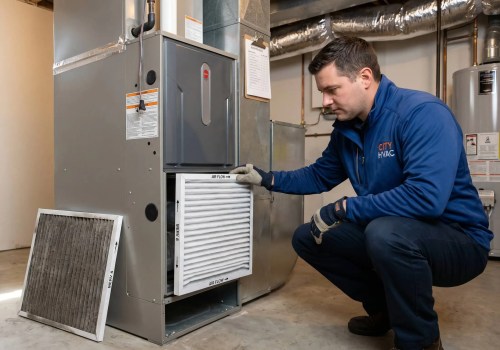
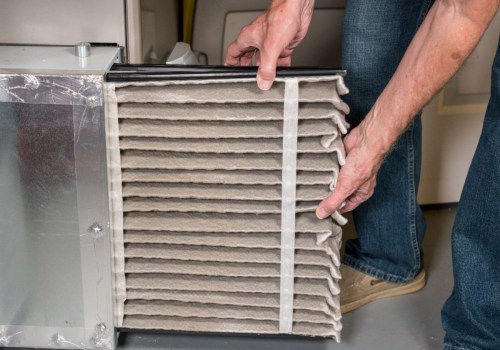
Changing your air filter is a straightforward process that can be done in a few simple steps:- Turn Off Your HVAC System: Always ensure that your system is powered down before attempting any maintenance.
- Locate the Filter: The filter is typically found near the air handler or in the return air duct.
- Remove the Old Filter: Carefully take out the old filter, noting its orientation for proper installation of the new one.
- Install the New Filter: Insert the new filter in the same direction as the old one, ensuring it fits snugly.
- Turn On Your System: Once everything is securely in place, power your HVAC system back on.
Cleaning Reusable Filters
If you have a reusable air filter, regular cleaning is crucial.Here’s how to do it effectively:
- Remove the Filter: Just like with disposable filters, start by turning off your HVAC system and removing the filter.
- Wash with Water: Rinse the filter under warm water to remove dust and debris. Avoid using harsh chemicals that could damage it.
- Dry Completely: Allow the filter to dry completely before reinstalling it to prevent mold growth.
Common Myths About HVAC Air Filters Debunked
When it comes to HVAC air filters, there are numerous myths and misconceptions that can lead homeowners to make poor choices. Understanding the truth behind these myths is essential for maintaining a healthy indoor environment and ensuring the efficiency of your HVAC system.Myth 1: All Air Filters Are the Same
One of the most prevalent misconceptions is that all air filters serve the same purpose and function equally.
In reality, air filters come in various types, including HEPA, pleated, and fiberglass, each designed to capture different sizes and types of particles. For instance, HEPA filters are highly effective at trapping small particles like pollen and pet dander, while fiberglass filters may only capture larger dust particles. Choosing the right type of filter is crucial for optimal air quality.
Myth 2: A Higher MERV Rating Always Means Better Performance
Many people believe that a higher MERV (Minimum Efficiency Reporting Value) rating automatically indicates a superior filter. While it’s true that higher-rated filters can capture smaller particles, they can also restrict airflow if not compatible with your HVAC system.
This restriction can lead to increased energy consumption and strain on your system. It’s essential to balance filtration efficiency with airflow requirements.
Myth 3: Changing Filters More Often Is Always Better
Another common myth is that changing your air filter more frequently will always improve air quality. While regular changes are important, over-replacing filters can be wasteful and unnecessary. The ideal frequency depends on several factors, including the type of filter used, the presence of pets, and local air quality conditions.
Always refer to the manufacturer’s recommendations for optimal replacement intervals.
Myth 4: Air Filters Are Only Necessary During Allergy Season
Some homeowners believe that air filters are only important during specific seasons when allergens are prevalent. However, maintaining clean air year-round is vital for overall health. Dust, mold spores, and other pollutants can accumulate at any time, making it essential to have a reliable filtration system in place throughout the year.
Myth 5: You Can Use Any Filter in Your HVAC System
Lastly, many assume that any filter will fit into their HVAC system without issues. This is not true; using an incompatible filter can lead to inefficiencies or even damage your system.
Always check your HVAC unit’s specifications before purchasing a new filter to ensure proper fit and function.By debunking these common myths about HVAC air filters, homeowners can make informed decisions that enhance their indoor air quality and prolong the life of their heating and cooling systems.
FAQs About HVAC Air Filters
When it comes to HVAC air filters, many homeowners have questions that can significantly influence their choices and the overall efficiency of their systems. Here are some frequently asked questions that can help clarify common concerns:- What is the purpose of an HVAC air filter?
The primary function of an HVAC air filter is to trap dust, pollen, pet dander, and other airborne particles, preventing them from circulating through your home. This not only improves indoor air quality but also protects the HVAC system from damage caused by dirt buildup. - How often should I change my HVAC air filter?
It is generally recommended to replace your air filter every 1 to 3 months, depending on factors such as the type of filter, the presence of pets, and local air quality. Regularly checking your filter can help maintain optimal airflow and efficiency. - What types of HVAC air filters are available?
There are several types of filters available, including:- Fiberglass Filters: These are inexpensive and effective for basic filtration but may not capture smaller particles.
- Pleated Filters: These offer better filtration than fiberglass filters and can capture smaller particles due to their larger surface area.
- HEPA Filters: High-Efficiency Particulate Air filters are designed to trap 99.97% of particles that are 0.3 microns or larger, making them ideal for allergy sufferers.
- Electrostatic Filters: These use static electricity to attract and capture particles, providing a higher level of filtration.
- Can I use a higher MERV-rated filter in my HVAC system?
While higher MERV (Minimum Efficiency Reporting Value) ratings indicate better filtration, using a filter with a MERV rating that is too high for your system can restrict airflow and strain your HVAC unit.Always consult your system’s specifications before upgrading.
- Where can I find HVAC air filters near me?
You can find a variety of HVAC air filters at local hardware stores, home improvement centers, or online retailers. Searching for "HVAC air filters near me" can help you locate nearby suppliers that offer the specific type you need.
Conclusion: The Importance of Choosing the Right Air Filter for Your HVAC System
In conclusion, the choice of HVAC air filters is not merely a matter of convenience; it is a critical decision that can significantly influence the efficiency, longevity, and overall performance of your heating and cooling system. Throughout this article, we have explored various aspects of air filters, including their types, MERV ratings, and the specific needs of different HVAC systems.One of the most important takeaways is that not all air filters are created equal. The right filter can enhance indoor air quality by effectively trapping dust, allergens, and other pollutants.This is particularly vital for households with children, elderly members, or individuals with respiratory issues. By investing in a high-quality filter, you not only protect your health but also create a more comfortable living environment.Moreover, using the appropriate filter can lead to significant energy savings. A filter that is too restrictive can cause your HVAC system to work harder than necessary, leading to increased energy consumption and higher utility bills. Conversely, a filter that is too lenient may allow harmful particles to circulate freely, compromising air quality and system efficiency.Regular maintenance and timely replacement of your air filters are equally essential.
Neglecting this aspect can result in reduced airflow, increased wear and tear on your HVAC system, and ultimately costly repairs or replacements. Setting reminders for filter changes based on your specific usage patterns can help maintain optimal performance.Finally, when searching for HVAC air filters near me, consider consulting with local HVAC professionals who can provide tailored recommendations based on your system's specifications and your unique needs. Their expertise can guide you in selecting the best filter that balances efficiency with cost-effectiveness.In summary, choosing the right air filter for your HVAC system is a decision that impacts not just comfort but also health and financial well-being. By prioritizing this choice, you ensure a cleaner environment and a more efficient heating and cooling system for years to come.