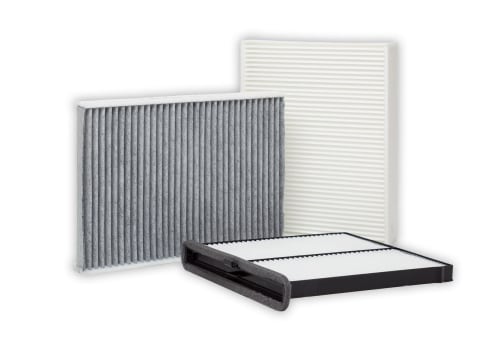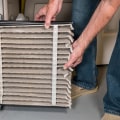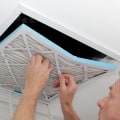
When it comes to maintaining a comfortable and healthy indoor environment, HVAC air filters play a pivotal role. These filters are essential components of heating, ventilation, and air conditioning systems, designed to trap dust, allergens, and other airborne particles that can compromise air quality. By effectively filtering out these contaminants, HVAC air filters not only enhance the air you breathe but also contribute to the overall efficiency and longevity of your HVAC system.There are several types of HVAC air filters available on the market, each with its own unique features and benefits. The most common types include fiberglass filters, pleated filters, HEPA filters, and electrostatic filters.
Fiberglass filters are typically the most affordable option but may not capture smaller particles as effectively as their pleated counterparts. Pleated filters offer a larger surface area for trapping dust and allergens, making them a popular choice for homeowners seeking better air quality. HEPA filters are known for their superior filtration capabilities, capturing up to 99.97% of particles as small as 0.3 microns, making them ideal for those with allergies or respiratory issues. Electrostatic filters use static electricity to attract and capture particles, providing an efficient and reusable option.The importance of selecting the right air filter cannot be overstated.
A high-quality filter not only improves indoor air quality but also helps your HVAC system operate more efficiently. When filters become clogged with dirt and debris, they restrict airflow, forcing your system to work harder and potentially leading to costly repairs or premature failure. Regularly replacing or cleaning your air filter is crucial for maintaining optimal performance and ensuring that your home remains a safe haven from pollutants.
Types of HVAC Air Filters
When it comes to maintaining a healthy indoor environment, understanding the different types of HVAC air filters is essential. Each type of filter has its own unique characteristics, advantages, and disadvantages, making it crucial to choose one that aligns with your specific needs.Pleated Filters
Pleated filters are among the most popular choices for HVAC systems.They are made from a combination of synthetic materials and are designed with folds that increase their surface area. This design allows them to capture more particles compared to flat filters.
- Pros: High MERV ratings (typically between 8 and 13), which means they can trap a significant amount of dust, pollen, and other allergens.
- Cons: They can be more expensive than fiberglass filters and may require more frequent replacement depending on usage.
Fiberglass Filters
Fiberglass filters are the most basic type of air filter available. They consist of a flat panel made from layers of fiberglass strands. While they are inexpensive and easy to find, they offer limited filtration capabilities.- Pros: Affordable and widely available; suitable for basic dust and dirt removal.
- Cons: Low MERV ratings (usually between 1 and 4), meaning they do not effectively capture smaller particles like allergens or smoke.
HEPA Filters
High-Efficiency Particulate Air (HEPA) filters are renowned for their superior filtration capabilities.They can trap at least 99.97% of particles that are 0.3 microns in size, making them ideal for those with allergies or respiratory issues.
- Pros: Exceptional at removing allergens, dust mites, pet dander, and even some bacteria and viruses.
- Cons: Typically more expensive than other types of filters and may require modifications to your HVAC system for proper installation.
Washable Filters
Washable filters are designed to be reused after cleaning. Made from durable materials, these filters can be rinsed off and put back into service, making them an eco-friendly option.- Pros: Cost-effective over time since they do not need to be replaced frequently; environmentally friendly.
- Cons: They may not provide the same level of filtration as disposable options and require regular maintenance to ensure effectiveness.
MERV Ratings Explained
Understanding MERV ratings is essential for selecting the right air filter for your HVAC system.MERV, or Minimum Efficiency Reporting Value, is a standardized measurement that indicates how effectively an air filter can capture airborne particles. The MERV scale ranges from 1 to 20, with higher numbers signifying greater filtration efficiency.To break it down further, here’s what the MERV ratings mean:
- MERV 1-4: These filters are typically used in residential settings and can capture large particles like dust and pollen. However, they are not effective against smaller contaminants.
- MERV 5-8: Filters in this range can trap smaller particles such as mold spores and pet dander, making them a better choice for households with allergies.
- MERV 9-12: These filters are suitable for homes with moderate air quality concerns. They can capture finer particles, including some bacteria and smoke.
- MERV 13-16: Often used in hospitals and commercial buildings, these filters can trap very small particles, including viruses and smoke from wildfires.
- MERV 17-20: These high-efficiency filters are typically reserved for industrial applications and specialized environments where air quality is critical.
- Your Home Environment: If you live in an area with high levels of dust, pollen, or pollution, opting for a higher MERV rating may be beneficial.
Conversely, if your home has minimal airborne contaminants, a lower rating may suffice.
- Allergies and Health Concerns: For individuals with allergies or respiratory issues, selecting a filter with a MERV rating of at least 11 can significantly improve indoor air quality.
- HVAC System Compatibility: Not all HVAC systems can handle high-MERV filters. Consult your system’s manufacturer guidelines to ensure compatibility and avoid potential airflow issues.
Factors to Consider When Choosing an Air Filter
When it comes to selecting the right air filter for your HVAC system, several critical factors must be taken into account to ensure optimal performance and air quality. Understanding these factors can help you make an informed decision that balances your specific needs with the available options.Air Quality Considerations
Your local environment plays a significant role in determining the type of air filter you should choose.If you live in an area with high levels of pollution, allergens, or dust, opting for a filter with a higher MERV rating is advisable. A higher MERV rating indicates better filtration capabilities, allowing the filter to capture smaller particles that can affect indoor air quality.Additionally, consider any specific health concerns within your household. For instance, if anyone suffers from allergies or respiratory issues, investing in a HEPA filter may be beneficial. These filters are designed to trap 99.97% of particles that are 0.3 microns or larger, providing cleaner air for sensitive individuals.
Filter Lifespan
The lifespan of an air filter is another crucial factor to consider.Filters come in various types, including disposable and washable options. Disposable filters typically need to be replaced every 1-3 months, depending on usage and environmental conditions. On the other hand, washable filters can last up to several years but require regular cleaning and maintenance.When selecting a filter, check the manufacturer's recommendations regarding replacement frequency. A filter that lasts longer may seem more cost-effective initially but could lead to reduced efficiency if not maintained properly.
Cost vs Quality
While it might be tempting to choose the cheapest option available, it's essential to weigh cost against quality.Higher-quality filters often come with a higher price tag but provide better filtration and longer lifespans. Investing in a quality air filter can lead to improved HVAC efficiency and lower energy bills over time.
- Initial Cost: Consider your budget when purchasing an air filter, but remember that cheaper options may not perform as well.
- Long-Term Savings: A more expensive filter may save you money in the long run by improving system efficiency and reducing energy costs.
- Health Benefits: Prioritizing quality can lead to better indoor air quality, which is invaluable for your family's health.
Finding HVAC Air Filters Near You
Finding HVAC air filters near me can be a straightforward process if you know where to look and what to consider. Purchasing air filters locally not only supports your community but also allows you to quickly obtain the filters you need without the wait associated with online orders.Here are some effective strategies for locating local air filter suppliers:- Search Online: Utilize search engines to find local suppliers by entering terms like "HVAC air filters near me" or "local air filter suppliers." This will provide you with a list of nearby stores, including home improvement centers, hardware stores, and specialty HVAC retailers.
- Check Local Directories: Websites like Yelp or Google Maps can help you find businesses in your area that sell air filters.
Look for customer reviews and ratings to gauge the quality of service and product selection.
- Visit Home Improvement Stores: Major retailers such as Home Depot or Lowe's typically carry a wide range of HVAC air filters. These stores often have knowledgeable staff who can assist you in selecting the right filter for your system.
- Consult HVAC Professionals: If you have a trusted HVAC technician, ask them for recommendations on where to buy filters locally. They may have partnerships with suppliers or know of local shops that offer high-quality products.
- MERV Rating: Ensure that the filters you are considering have an appropriate Minimum Efficiency Reporting Value (MERV) rating for your needs. Higher MERV ratings indicate better filtration capabilities.
- Filter Size: Always check the size of the filter required for your HVAC system.
Using the wrong size can lead to inefficiencies and potential damage to your system.
- Quality Over Brand: Focus on the quality of the filter materials rather than just the brand name. A well-constructed filter will perform better and last longer than a cheaper alternative.
- Customer Service:Customer Service: Choose suppliers known for their customer service. This ensures that if you have questions or need assistance, you will receive prompt and helpful responses.
Common Misconceptions About Air Filters
When it comes to air filters, there are several misconceptions that can lead homeowners to make poor choices regarding their HVAC systems. Understanding these myths is essential for maintaining optimal air quality and system efficiency.Myth 1: A Clogged Filter Means It's Working
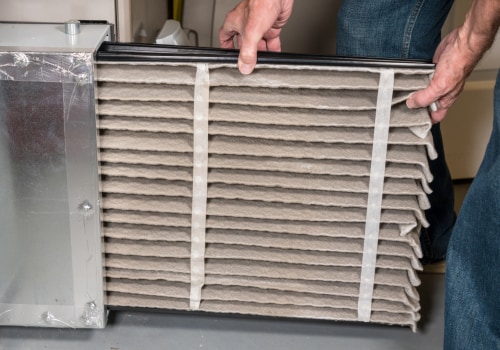
One of the most prevalent misconceptions is that a clogged air filter indicates it is effectively capturing particles.In reality, a clogged filter can severely hinder airflow, causing your HVAC system to work harder than necessary. This not only increases energy consumption but can also lead to premature wear and tear on your system. Instead of waiting for a filter to become clogged, it’s crucial to check and replace your air filter regularly, typically every 1-3 months, depending on usage and environmental factors.
Myth 2: Higher MERV Ratings Are Always Better
While it’s true that a higher MERV (Minimum Efficiency Reporting Value) rating indicates better filtration capabilities, it’s important to choose a filter that balances efficiency with your HVAC system's specifications. Some systems may not be designed to handle high-MERV filters, which can restrict airflow and lead to inefficiencies.Always consult your HVAC manufacturer’s guidelines when selecting a filter.
Myth 3: OEM Filters Are Always Superior
Another common belief is that OEM (Original Equipment Manufacturer) filters are inherently better than aftermarket options. While OEM filters are designed specifically for your system, many aftermarket filters also meet or exceed performance standards. The key is to look for reputable brands that provide filters with appropriate MERV ratings and quality materials. Conducting research and reading reviews can help you find a suitable aftermarket option without compromising on quality.Myth 4: All Air Filters Are the Same Size
Many homeowners assume that all air filters come in standard sizes, but this is far from the truth.Using the wrong size filter can lead to gaps that allow unfiltered air to bypass the filter entirely. Always measure your existing filter or consult your HVAC manual to ensure you purchase the correct size.
Myth 5: You Only Need to Change Filters When They Look Dirty
While it may seem logical to change your air filter only when it appears dirty, this approach can be misleading. Many particles are microscopic and may not be visible to the naked eye. Regularly scheduled replacements are essential for maintaining good indoor air quality and ensuring your HVAC system operates efficiently.By debunking these common misconceptions about air filters, homeowners can make informed decisions that enhance their indoor air quality and prolong the life of their HVAC systems.Understanding the facts surrounding air filters empowers you to choose wisely when searching for HVAC air filters near me.
Maintenance Tips for Your Air Filter and HVAC System
Maintaining your air filter and HVAC system is essential for ensuring optimal performance and air quality in your home. Regular maintenance not only extends the lifespan of your system but also enhances its efficiency, leading to lower energy bills and a healthier living environment.How Often Should You Change Your Air Filter?
The frequency of changing your air filter largely depends on several factors, including the type of filter you use, the level of pollutants in your home, and the specific recommendations from your HVAC manufacturer. As a general guideline:
- Standard fiberglass filters: Change every 30 days.
- Pleated filters: Change every 90 days.
- High-efficiency filters: Change every 6 months to a year.
Additional Maintenance Tips for Your HVAC System
In addition to changing your air filter regularly, consider these maintenance tips to keep your HVAC system running smoothly:
- Inspect and Clean Vents: Ensure that all vents are free from obstructions such as furniture or dust buildup.
Regularly vacuum and dust vents to promote better airflow.
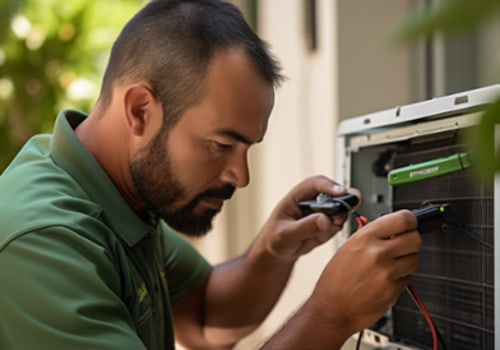
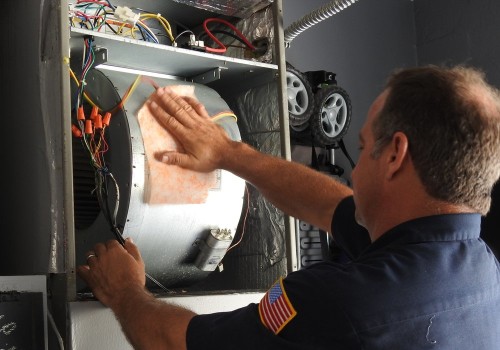
- Schedule Professional Inspections: Have a qualified technician inspect your HVAC system at least once a year. They can identify potential issues before they become major problems.
- Check Thermostat Settings: Ensure that your thermostat is functioning correctly and set to an appropriate temperature. Consider upgrading to a programmable thermostat for better energy management.
- Clean the Condenser Coils: If you have an outdoor unit, keep the condenser coils clean by removing debris such as leaves and dirt. This helps maintain efficiency.
Regular upkeep not only improves air quality but also contributes to the longevity of your system, making it a worthwhile investment for any homeowner.
Advanced Options: Whole-House Air Purifiers and UV Lights
For homeowners seeking to enhance their indoor air quality beyond standard HVAC air filters, whole-house air purifiers and UV lights present advanced options that can significantly improve the air you breathe. These systems are particularly beneficial for individuals with specific health concerns, such as allergies, asthma, or respiratory issues.Whole-House Air Purifiers
A whole-house air purifier integrates seamlessly with your existing HVAC system, providing comprehensive air cleaning throughout your home. Unlike traditional filters that primarily capture dust and larger particles, these purifiers utilize advanced technologies to eliminate a wider range of contaminants, including:- Pollen
- Mold spores
- Bacteria
- Viruses
- Pet dander
- Smoke particles
UV Lights for HVAC Systems
Another innovative solution is the installation of UV lights within your HVAC system.These ultraviolet lights work by emitting UV-C radiation, which is effective at killing or inactivating microorganisms such as bacteria and viruses as they pass through the system. The benefits of UV lights include:
- Reduction of airborne pathogens: By targeting harmful microorganisms, UV lights help reduce the risk of illness.
- Prevention of mold growth: UV light can inhibit mold and mildew development on cooling coils and other damp areas within the HVAC system.
- Improved efficiency: A cleaner system operates more efficiently, potentially lowering energy costs.
Conclusion: Making an Informed Choice for Your Home's Air Quality
In summary, selecting the right HVAC air filter is a critical step in ensuring the health and comfort of your home. Throughout this guide, we have explored various factors that influence your choice, from MERV ratings to filter sizes and materials.Each of these elements plays a significant role in determining how effectively your air filter can capture airborne contaminants and maintain optimal indoor air quality.One of the most important takeaways is the significance of the MERV rating. This rating not only indicates the filter's efficiency but also helps you understand what types of particles it can effectively trap. Higher MERV ratings are particularly beneficial for households with allergy sufferers or those living in areas with high pollution levels. However, it’s essential to balance filtration efficiency with your HVAC system's specifications to avoid potential airflow issues.Additionally, the importance of proper sizing cannot be overstated.
A filter that does not fit correctly can lead to air bypassing the filter, which diminishes its effectiveness. Always refer to your HVAC system's manual for the recommended filter size to ensure a snug fit.Moreover, consider the quality of materials used in the filters you choose. Investing in high-quality filters can lead to longer-lasting performance and better air quality over time. While brand names may offer some assurance, focusing on specifications and customer service can yield better results.As you move forward with your decision, remember that regular maintenance is key.
Replacing your air filter at recommended intervals will not only enhance your HVAC system's efficiency but also contribute to a healthier living environment.In conclusion, by applying the knowledge gained from this guide, you can make an informed choice about HVAC air filters near me. Take action today to improve your home's air quality and enjoy the benefits of cleaner, healthier air for you and your family.